
Soludo, Bianca Ojukwu Call for Greater Women Inclusion in Politics
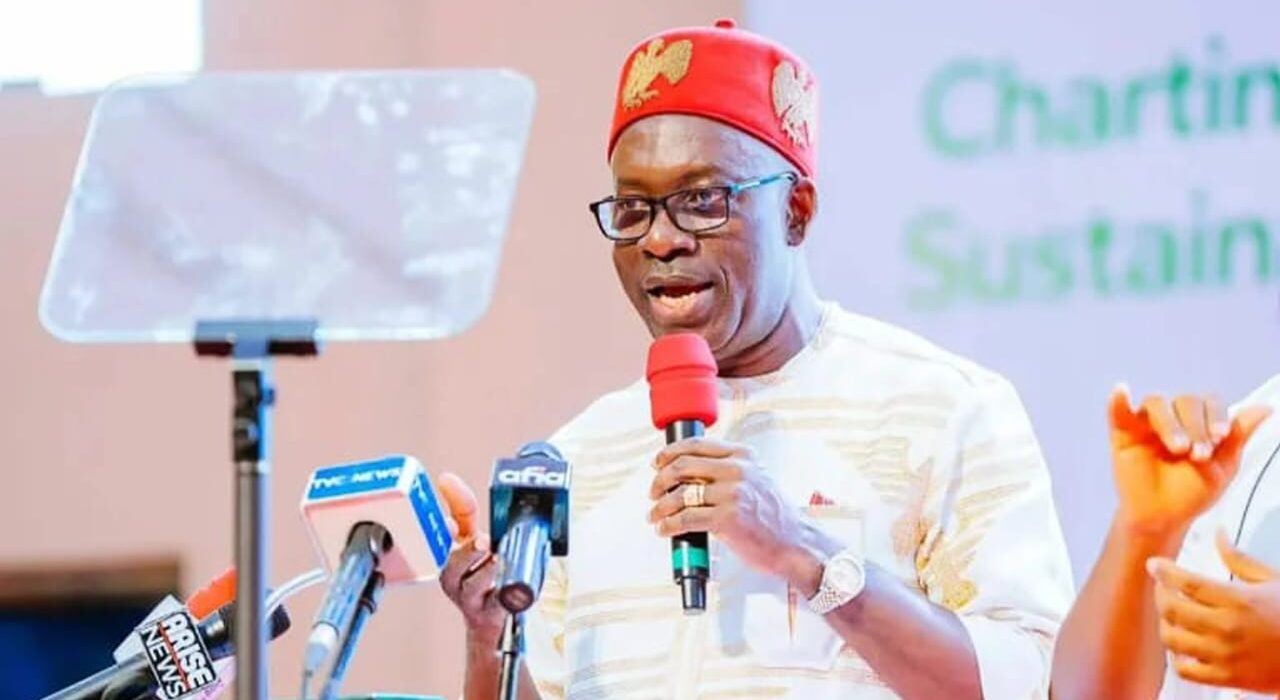
Anambra State Governor, Prof. Chukwuma Soludo, and the Minister of State for Foreign Affairs, Ambassador Bianca Odumegwu-Ojukwu, have called for urgent reforms to increase women’s participation in politics and governance, warning that Nigeria’s democracy cannot thrive if women remain underrepresented in leadership.
The two leaders made the call on Saturday at the 2026 National Women Summit of the All Progressives Grand Alliance (APGA), themed “Advancing Women’s Inclusion in Politics and Governance: Addressing Barriers to Women’s Participation and Representation.”
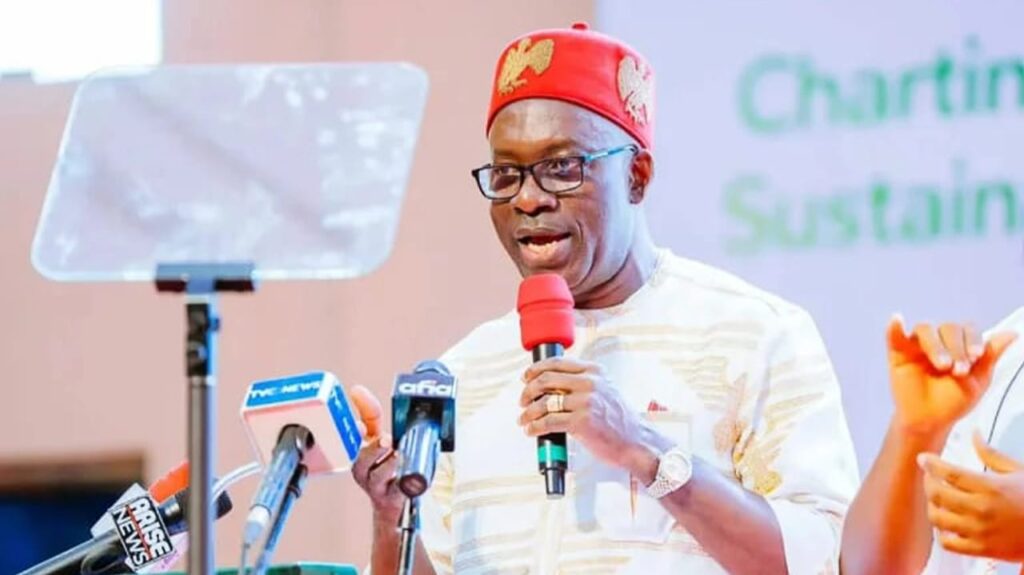
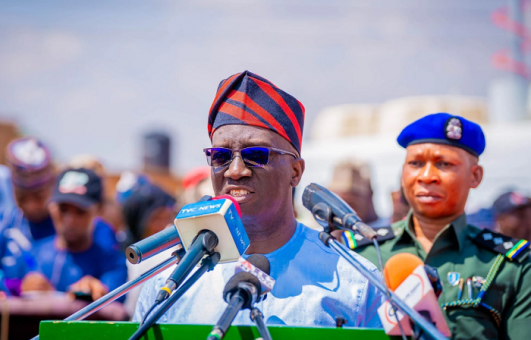
Represented by the Deputy Governor of Anambra State, Dr. Onyekachukwu Ibezim, Soludo said women have consistently demonstrated leadership capacity and should be given more opportunities to contribute to governance and national development.
He noted that the Anambra State Government has prioritised female inclusion in public appointments, resulting in women occupying strategic positions, including the offices of the Secretary to the State Government and the Head of Service.
Ibezim described women as effective managers of institutions and resources, adding that communities benefit significantly when women are entrusted with leadership responsibilities.
He, however, expressed concern over the declining number of women occupying elective positions across Nigeria, noting that female representation in the National Assembly has dropped from about 10 per cent in previous years to below five per cent.
He assured participants that the Soludo administration would continue to support initiatives aimed at expanding opportunities for women in public service and political leadership.
In her address, Odumegwu-Ojukwu described women’s inclusion as a matter of democracy, justice and national development, arguing that the continued exclusion of women from decision-making weakens governance and limits the country’s progress.
She said that although women account for nearly half of Nigeria’s population and contribute significantly to national development, they remain grossly underrepresented in elective and executive political offices.
According to the minister, major barriers to women’s political participation include the high cost of elections, political violence, cultural stereotypes, inadequate funding and limited access to political party structures.
She added that inclusive governance produces stronger institutions, better policy outcomes and more sustainable development, citing countries such as Tanzania and Namibia as examples of nations that have improved governance by promoting women’s political participation.
Odumegwu-Ojukwu also endorsed the proposed reserved seats bill before the National Assembly, describing it as a practical measure to address the long-standing imbalance in women’s political representation.
Earlier, APGA National Woman Leader, Elizabeth Nwokeocha, said the summit was organised to advocate increased representation of women in governance, lamenting that women currently occupy less than five per cent of legislative seats in Nigeria.
She also expressed concern over the declining number of female candidates emerging from party primaries and called for urgent measures to reverse the trend.
Also speaking, Deputy Speaker of the House of Representatives, Benjamin Kalu, represented by Dominic Okafor, said greater female participation would strengthen democratic institutions and improve governance.
Chairperson of the House Committee on Women Affairs and Social Development, Kafilat Ogbara, criticised political parties for failing to provide women with meaningful opportunities despite publicly supporting gender inclusion.
Former Minister of Women Affairs and Social Development, Pauline Tallen, in her own keynote address, also urged stakeholders to take deliberate steps to reverse the declining representation of women in Nigeria’s political space, stressing that women have consistently demonstrated competence across all sectors of national life.