

Jonathan Debunks ₦500 Billion Offer to Contest Against Obi in 2027
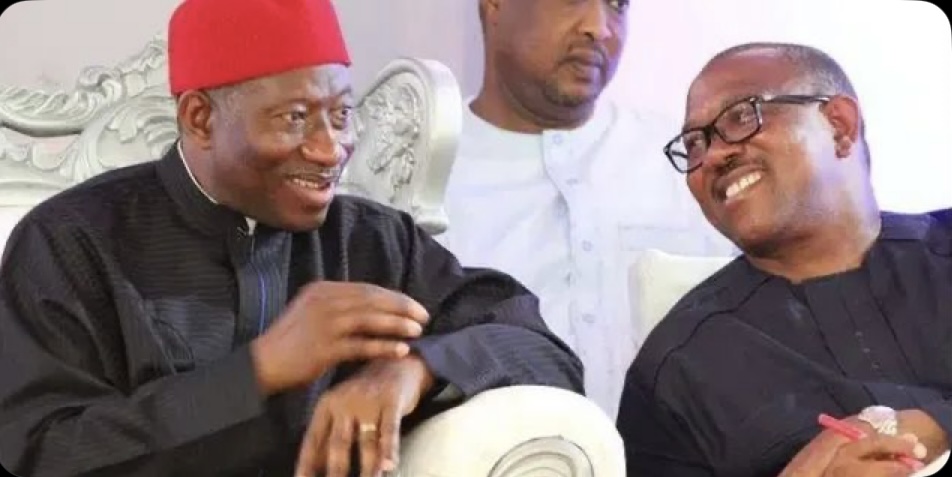
Former President Goodluck Jonathan has dismissed reports alleging that he was offered ₦500 billion to contest the 2027 presidential election against former Labour Party's Peter Obi, describing the claims as false, fabricated, and intended to mislead the public.
The allegation, which circulated widely on social media, claimed that unnamed political actors offered Jonathan the huge sum to persuade him to join the 2027 presidential race in a move aimed at weakening Obi's support, particularly in Nigeria's South-South region.
Reacting to the reports, Jonathan, through a statement issued by his Special Adviser on Media, Ikechukwu Eze, categorically denied ever receiving such an offer or making any statement to that effect.
According to the statement, the publication lacked credibility as it failed to identify where or when Jonathan allegedly made the claim, the individuals involved, or any verifiable evidence to support the allegation.
"The report is entirely false and baseless. It is the handiwork of mischief makers who seek to drag the former president into unnecessary political controversy through the spread of fake news," the statement said.
Jonathan urged Nigerians to disregard the report, stressing that he has never claimed to have been offered money to contest against any individual in the forthcoming presidential election.
His media aide also advised members of the public to verify politically sensitive information before sharing it, warning that the spread of misinformation could undermine public trust and fuel unnecessary political tension as the country moves closer to the 2027 general elections.
The former president's reaction comes amid increasing political speculation over potential contenders for the 2027 presidency. Although Jonathan's name has repeatedly surfaced in discussions about the next election, he has not publicly declared any intention to seek the nation's highest office.
Political analysts say the swift denial underscores growing concerns over the spread of fake news and politically motivated misinformation ahead of the 2027 electoral cycle, with calls for greater responsibility in public discourse and online engagement.