


Queries Over Favouristic Ebonyi School Building Contracts Worth Billions
Ebonyi State awarded dozens of contracts to build new classrooms across various secondary schools, with the total value running into several billion naira.
The projects were meant to improve learning conditions for students in different local government areas. However, fresh findings have brought to light serious concerns about how some of these deals were handled from the beginning.
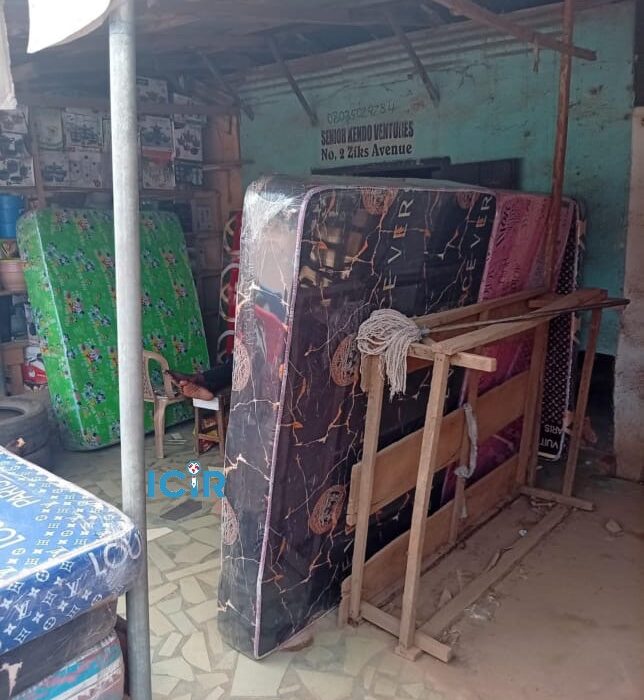
In one striking case, a company received over N172 million to construct classroom blocks at two schools in Ohaozara LGA. When investigators visited the firm’s listed address, they found a shop selling mattresses and provisions instead of any construction office or equipment. The person at the location confirmed they had nothing to do with building work, raising doubts about who actually got the money and whether the projects were properly executed.
Several other companies that won contracts also appear connected to individuals close to government circles, including relatives of top officials and members of the ruling party. Many bids reportedly had only one participant, which goes against standard rules meant to encourage fair competition and prevent favoritism.
These patterns have left many wondering if public funds meant for education are truly reaching the intended purpose.
The situation has sparked calls for a closer look at the entire procurement process in the state. Parents and education stakeholders hope that authorities will investigate thoroughly to ensure that schools actually get the facilities promised to them. Students in affected areas continue to study under challenging conditions while questions linger about the quality and completion of these multimillion-naira projects.
This development highlights the importance of transparency when spending large amounts of taxpayers’ money on critical sectors like education. As more details emerge, there is growing demand for accountability so that future contracts serve the best interests of Ebonyi children rather than private pockets. The coming weeks may determine whether concrete actions follow these troubling revelations.
Photo credit: The ICIR