

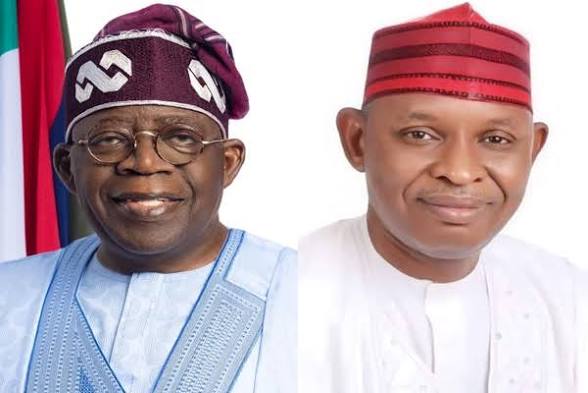

Tinubu’s Three-Year Energy Report Card: Billions in Revenue, Billions in Doubt
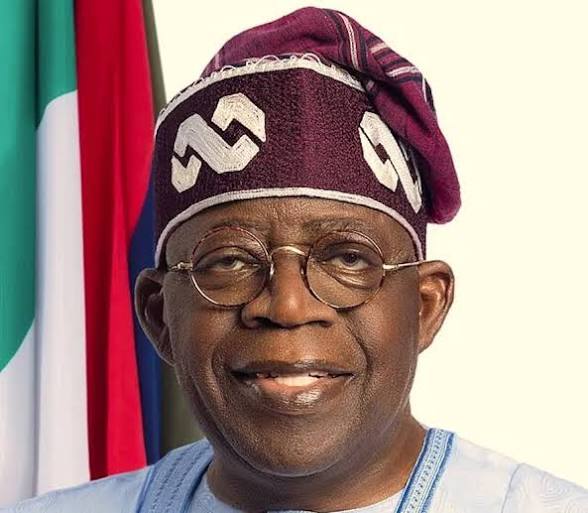
The Presidency has put forward a robust defence of President Bola Tinubu’s economic reform agenda, citing 15 major achievements across Nigeria’s energy, oil and gas, and power sectors over the past three years.
Central to the claims is a significant jump in total federation revenue, which the administration says has more than doubled from N12 trillion to N21 trillion, a development it attributes largely to the removal of the fuel subsidy and a series of structural adjustments implemented since Tinubu assumed office in May 2023.
Olusegun Dada, the Special Assistant to the President on Social Media, who disclosed the figures in a weekend post, said the reforms have not only boosted government revenues but have also attracted fresh investment and substantially reduced the country’s dependence on imported petroleum products.
According to the Presidency, fuel import costs have fallen sharply from N2.3 trillion to under N90 billion as domestic refining capacity expanded, while daily domestic petrol production has grown to approximately 48 million litres.
On the investment front, the administration pointed to a dramatic improvement in Nigeria’s share of African upstream Final Investment Decisions, which it said rose from four per cent to roughly 40 per cent. The country has also secured $10 billion in committed capital, with a further pipeline of about $50 billion in prospective energy projects in view.
Project contracting cycles, long regarded as a bottleneck for investors, have reportedly been cut from 36 months to 14 months, with a six-month target being pursued. Additionally, over $4 billion in International Oil Company divestment transactions were concluded during the period, a development the Presidency said would deepen indigenous participation in the sector.
In the power sector, the administration highlighted the establishment of the Presidential Power Sector Debt Reduction Programme, backed by a bond structure of up to N4 trillion to clear legacy debts owed to electricity generation companies and gas suppliers. Settlement agreements worth N2.28 trillion have also been finalised with generation companies as part of efforts to stabilise the electricity market.
However, the government’s scorecard has not gone unchallenged. Critics and ordinary Nigerians continue to push back against what they describe as a growing disconnect between the macroeconomic figures being celebrated and the daily hardships faced by millions of citizens. While fuel prices have soared well above N1,400 per litre since the subsidy removal, and the naira experienced a severe depreciation before stabilising around N1,400 to the dollar, many Nigerians argue that the promised dividends of reform have yet to reach them. One social media user captured the prevailing sentiment, noting that the government’s milestone lists consistently sidestep the harsh economic realities confronting the average household.
With the 2027 elections drawing nearer, the tension between the administration’s macro achievements and the public’s lived experience is likely to intensify.