
Tshisekedi Edges Closer to Third Term as DR Congo Senate Passes Constitution Bill
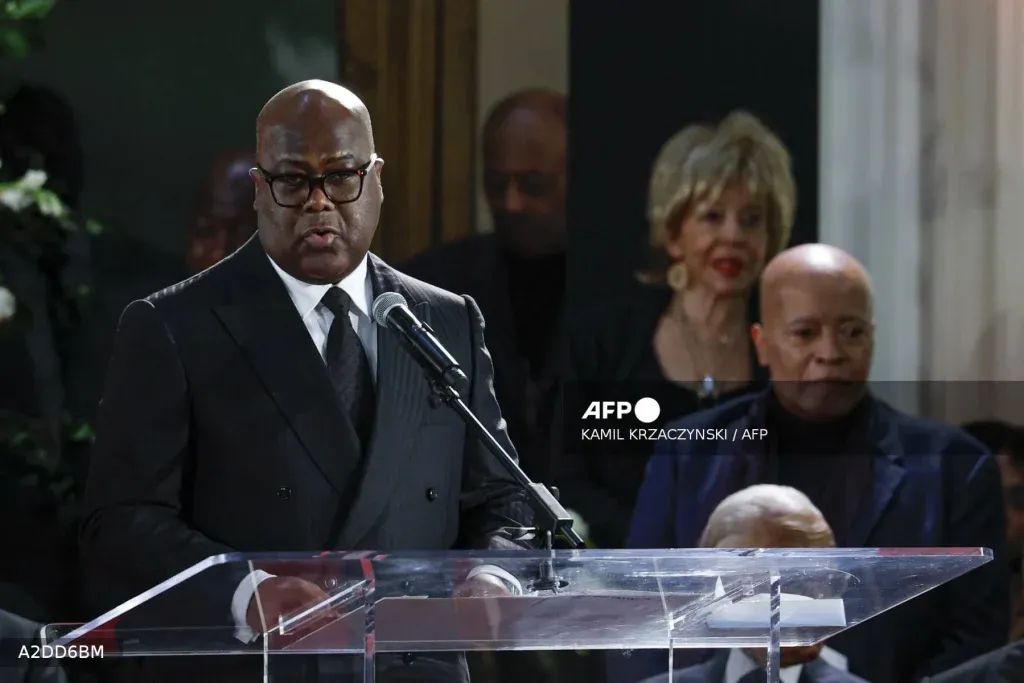
The Senate of the Democratic Republic of Congo has adopted a controversial bill to amend the country’s constitution, effectively clearing the path for President Félix Tshisekedi to pursue a third term in office a move that has sparked fierce condemnation from opposition parties and raised serious concerns about democratic backsliding in Central Africa.
The bill, passed by the Senate on Monday, would enable a referendum on a new constitution under which Tshisekedi’s previous terms in office would not count against him, essentially resetting the presidential clock. It had already passed the National Assembly before arriving in the Senate, and now awaits the president’s signature to become law. Both chambers voted without opposition lawmakers present, as they had walked out weeks earlier in protest against the proposed reforms.
Tshisekedi, 62, has been in office since 2019 and is currently serving his second and final term under the existing constitution. He is due to leave office in 2028. The current constitution explicitly bars any revision of presidential term limits a provision the bill seeks to circumvent by permitting constitutional amendments in the event of a declared “major dysfunction” paralyzing state institutions. The president has publicly stated that he would seek a third term if voters approved it in a referendum, though no date for such a vote has been announced.
Senate President Jean-Michel Sama Lukonde defended the move, declaring that the bill gives the Congolese people a framework to exercise their sovereignty through a referendum. However, opposition groups have rejected that framing, describing the entire process as a calculated power grab orchestrated by the presidency. Congo’s main opposition parties, previously divided along factional lines, have now joined forces under a unified coalition known as C64 or Coalition Article 64 specifically to resist the bill.
The political crisis has already spilled onto the streets. Violent clashes erupted at protests against the bill in the capital, Kinshasa, in which several people were injured, including prominent opposition figures Martin Fayulu, Jean-Marc Kabund, and Delly Sesanga. Security forces deployed tear gas and live ammunition to disperse demonstrators gathered near parliament in the days preceding the Senate vote.
Adding a geopolitical dimension to the controversy, observers note that Washington’s efforts to loosen China’s grip on DR Congo’s vast mineral wealth are increasingly tied to Tshisekedi’s continued leadership. If the president presses ahead with constitutional revisions designed to extend his rule, the United States risks accusations of prioritising strategic mining interests over democratic principles in one of Africa’s most resource-rich and strategically significant nations. Congo’s next presidential election is scheduled for 2028.