



Nigeria’s Merchant Shipping Capacity Dwarfs Southern Africa Region, UN Data Shows
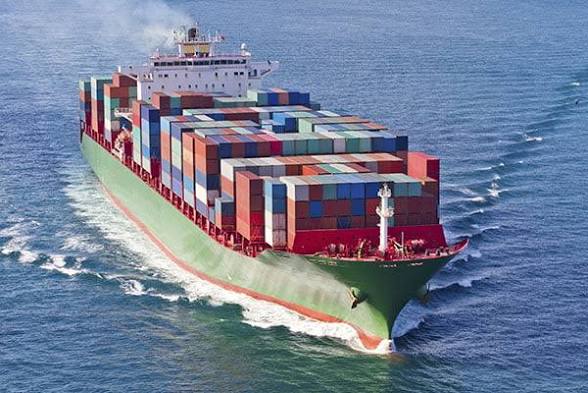
Nigeria’s merchant shipping capacity has surpassed the combined total of all Southern African nations, according to figures from the United Nations Conference on Trade and Development, underscoring the country’s growing dominance in African maritime trade.
Data compiled from UN Trade and Development and TheCableIndex shows that Nigeria commands a merchant fleet capacity of 4.47 million gross tonnage, dwarfing the Southern African region’s collective total of just 1.23 million gross tonnage.
The figures reveal a striking imbalance across the region. South Africa, long considered the continent’s most industrialised economy, accounts for 388,000 gross tonnage of the Southern African total, making it the largest contributor in that bloc but still a fraction of Nigeria’s capacity. Namibia follows with 85,000 gross tonnage, while Eswatini records 750,000 gross tonnage and Lesotho contributes a modest 3,000 gross tonnage, reflecting its landlocked geography and limited maritime infrastructure.
Nigeria’s merchant shipping strength is a product of decades of investment in port infrastructure, an active petroleum export economy that demands high cargo movement, and the strategic importance of Lagos and Onne as two of West Africa’s busiest commercial ports. The country’s position as Africa’s largest oil producer has historically driven demand for large-capacity vessels, and that industrial base appears to be translating into sustained fleet expansion that rivals entire sub-regions of the continent.
The data points to a broader story of uneven maritime development across Africa, where coastal access, trade volume, and infrastructure investment continue to determine which nations build meaningful shipping capacity. Southern Africa’s relatively modest combined figure less than a third of Nigeria’s total suggests that even economies with significant coastlines, such as South Africa and Namibia, have yet to fully capitalise on their maritime potential in terms of registered fleet tonnage.
For Nigeria, the milestone serves as a reaffirmation of its status as a continental maritime leader, even as stakeholders continue to call for deeper reforms in port efficiency, cabotage enforcement, and local content participation to fully unlock the sector’s economic potential.