


IMF Warns Middle East War Could Push Millions Into Hunger in Africa
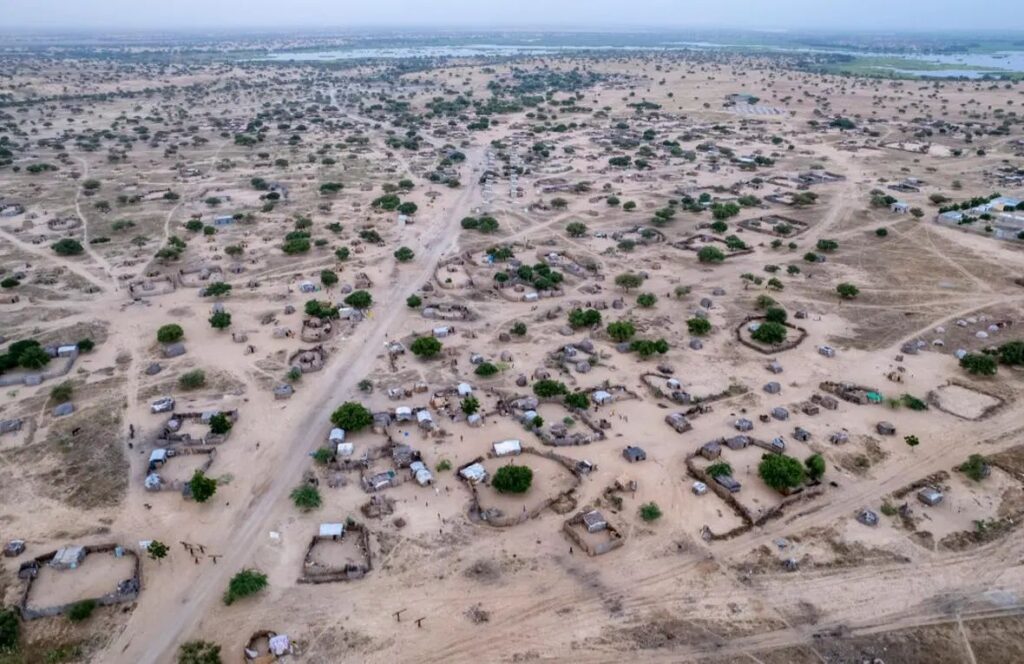
The International Monetary Fund has warned that escalating conflict in the Middle East could worsen food insecurity across sub-Saharan Africa, potentially pushing more than 20 million additional people into hunger.
The IMF said a 20 per cent increase in global food prices triggered by the war could also leave about two million children under the age of five suffering from acute malnutrition across the region.
The Fund noted that the crisis threatens to reverse recent economic gains recorded in sub-Saharan Africa after the region entered 2026 with what it described as its strongest growth momentum in a decade.
According to the IMF, the region recorded economic growth of 4.5 per cent in 2025, supported by reforms implemented by several governments, rising investments and lower macroeconomic imbalances.
The organisation added that inflation declined to about 3.5 per cent while public debt levels also showed signs of improvement following exchange-rate reforms, tighter monetary policies, and better spending management.
However, the IMF said the ongoing Middle East conflict has introduced fresh economic pressures through rising prices of oil, gas, fertiliser, and shipping costs, alongside disruptions in trade routes and tightening financial conditions.
The Fund warned that prolonged conflict could further increase commodity prices, weaken financial markets, and worsen fiscal pressures for countries already struggling with debt obligations.
It projected that economic growth in sub-Saharan Africa would slow to 4.3 per cent in 2026, falling below earlier projections made before the outbreak of the conflict.
According to the IMF, the slowdown is particularly concerning because African economies require stronger and sustained growth to create jobs for the region’s rapidly growing population.
The report stated that oil-importing countries, especially low-income and fragile states, are likely to experience worsening trade balances and higher living costs, while oil-exporting nations remain vulnerable to unstable commodity prices and excessive spending.
The IMF also warned that declining foreign aid flows are worsening the situation, particularly in fragile countries that rely heavily on international support for healthcare and other essential services.
It added that more than one-third of countries in the region are either already facing debt distress or are at high risk of falling into it.
According to the Fund, fiscal deficits in 21 African countries remain above levels required to stabilise debt, while rising interest payments and declining concessional financing are increasing financial pressure on governments.
The IMF urged African governments to prioritise inflation control, protect vulnerable populations from rising prices, and avoid policies that could further worsen fiscal conditions.
It advised oil-exporting countries to treat increased oil revenues as temporary gains and channel them toward rebuilding financial reserves and strengthening social protection programmes.
For oil-importing countries, the IMF recommended targeted and temporary support measures where fiscal space exists, while urging governments with limited resources to improve spending efficiency and strengthen domestic revenue generation.
The Fund also emphasised the need for governments to continue long-term reforms aimed at improving governance, business conditions, and state-owned enterprises in sectors such as energy, transportation, and telecommunications.
It further highlighted the importance of deeper regional integration through the African Continental Free Trade Area to strengthen supply chains and expand market opportunities within Africa.
The IMF noted that digital transformation could improve sectors including agriculture, healthcare, and education, but warned that poor infrastructure remains a major challenge, with only 53 per cent of the population having access to electricity and 38 per cent connected to the internet.
The organisation also called on the international community to provide predictable financing, technical assistance, and capacity-building support to help African countries manage the economic impact of the crisis and sustain ongoing reforms.