



Africa’s top lithium producer eases export restrictions, introduces quotas for Chinese firms
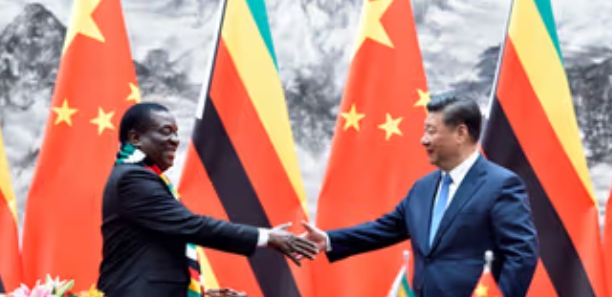
Zimbabwe’s recent suspension of lithium exports is beginning to show cracks, as Chinese firms secure special quotas to resume shipments, highlighting Beijing’s growing dominance in Africa’s critical minerals sector.
China’s Sichuan Yahua Industrial Group said it has obtained a six-month export quota for lithium concentrates from Zimbabwe, just two months after Harare halted exports of the key battery material.
Yahua, while speaking to an investor online Q&A platform affiliated with the Shenzhen Stock Exchange, said the quota will be sufficient to ensure normal production at its Kamativi Mine, according to Reuters.
Zimbabwe had suspended exports of raw lithium and concentrates in February, citing concerns over revenue leakage, underpricing, and limited domestic value addition. Authorities signalled a shift toward tighter controls, including quotas tied to commitments for local processing, as the country seeks to capture more value from its vast mineral resources.
Despite the restrictions, Chinese firms have been the primary beneficiaries of the new quota system. Companies including Chengxin Lithium and Sinomine Resources have also been granted export approvals, reinforcing China’s deep entrenchment in Zimbabwe’s lithium industry.
The dominance is underpinned by years of early investment, infrastructure financing, and vertically integrated supply chains that link African mines directly to Chinese processing hubs. In 2025 alone, Zimbabwe exported over 1.1 million tonnes of lithium-bearing concentrate to China, accounting for a significant share of Beijing’s imports.
While the United States and other global powers have ramped up efforts to secure critical minerals, they have struggled to match China’s speed and scale of investment across Africa.
Russia, meanwhile, remains a smaller player, focused more on energy and security ties than large-scale mining operations.
Zimbabwe’s balancing act—tightening export controls while accommodating key investors—highlights a broader trend across Africa, where governments are seeking greater control over resources without alienating the partners driving production.