Segun Sowunmi Criticizes “Obidient” Movement, Citing Political Polarization
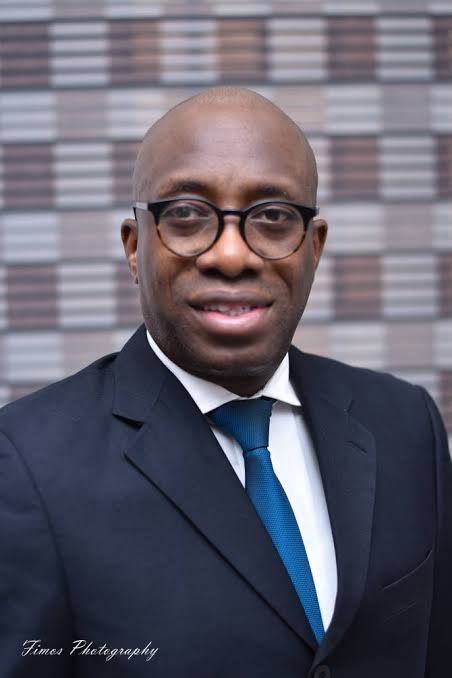
Segun Sowunmi, a prominent chieftain of the People’s Democratic Party (PDP), has sparked a fresh wave of political debate following his recent comments regarding the “Obidient” movement.
During a media appearance, Sowunmi claimed that the greatest damage currently facing the country is the emergence and conduct of the supporters of Peter Obi, the 2023 Labour Party presidential candidate. He argued that the movement has altered the political landscape in a way that he perceives as detrimental to national cohesion and traditional democratic processes.
Sowunmi’s critique centered on the perceived aggressiveness and uncompromising nature of the movement, which gained massive traction among Nigerian youth during the last general election. He suggested that the “Obidient” phenomenon has introduced a level of polarization that makes objective political discourse difficult. According to Sowunmi, the movement’s approach often prioritizes emotional fervor over structural political engagement, which he believes has fractured the existing political consensus required for stable governance.
The PDP stalwart further contended that the movement’s rise contributed significantly to the fragmentation of the opposition during the 2023 polls. By creating a third-force momentum, the movement arguably split votes that might have otherwise gone to more established opposition platforms.
Sowunmi implied that this division effectively weakened the collective effort to challenge the ruling party, suggesting that the long-term impact on the country’s democratic health outweighs the short-term enthusiasm the movement generated.
In response, supporters of the “Obidient” movement have taken to social media to push back against Sowunmi’s assertions. Many argue that the movement was a necessary and organic reaction to decades of perceived failure by the two dominant parties, including Sowunmi’s PDP. They maintain that the movement represents an awakening of civic consciousness and a demand for accountability, rather than a “damage” to the nation, viewing it instead as a vital step toward breaking the political status quo.
The controversy highlights the lingering tensions within Nigeria’s political class as parties begin to strategize for the 2027 electoral cycle. Sowunmi’s remarks underscore a deep-seated friction between traditional political actors and the new wave of digitally savvy, reform-minded voters. As the debate continues, it remains clear that the impact of the 2023 elections continues to shape the narratives of identity, loyalty, and the future of Nigerian democracy.