


Gulf Allies Deploy Ukrainian Drones, South Korean Missiles as Regional Tensions Persist
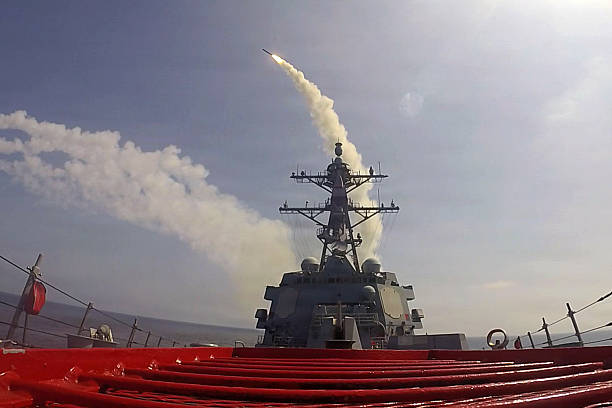
Faced with a dwindling supply of traditional Western interceptors and an unprecedented scale of regional aerial threats, Gulf nations are aggressively diversifying their defense portfolios.
According to The Wall Street Journal, Saudi Arabia, Qatar, and the United Arab Emirates are moving beyond their historical reliance on U.S.-made systems like the Patriot missile. Instead, these nations are placing massive orders for Ukrainian interceptor drones and South Korean air defense munitions—solutions that defense officials describe as more cost-effective and faster to deploy in a rapidly evolving conflict landscape.
The shift comes as recent large-scale drone and missile barrages have exposed significant gaps in regional defenses. The Wall Street Journal reports that the sheer volume of low-cost, one-way attack drones used in recent strikes has depleted the stockpiles of expensive, high-end interceptors.
By turning to Ukraine, Gulf states are looking to leverage combat-proven technology designed specifically to neutralize swarms of “Shahed-style” drones at a fraction of the cost of a traditional surface-to-air missile. Ukrainian manufacturers, such as SkyFall and TAF Industries, have reportedly seen a surge in interest as they offer “kinetic” interceptors that destroy targets by colliding with them in mid-air.
In addition to drone technology, South Korean defense firms have emerged as primary beneficiaries of the Middle East’s urgent need for replenishment. According to WSJ, systems produced by South Korean giants like Hanwha Aerospace and LIG Nex1 are being sought to bolster missile defense batteries across the Gulf. These munitions are viewed as a “middle-ground” solution—offering high reliability and compatibility with existing infrastructure while avoiding the multi-year backlogs currently affecting American production lines. The speed of South Korean delivery has become a decisive factor for Gulf leaders who feel the window for regional stabilization is closing.
The geopolitical implications of these deals are profound, as they signal a new era of defense diplomacy. The Wall Street Journal notes that Ukrainian President Volodymyr Zelensky has recently conducted high-level tours of the region, including stops in Jeddah and Doha, to promote a “Drone Deal.” Under this framework, Gulf financing would fund the domestic production of drones within Ukraine, which would then be exported to the Middle East.
This arrangement allows Ukraine to maintain its own war efforts against Russia while providing Gulf allies with a steady stream of specialized anti-drone weaponry that traditional Western contractors have been slow to produce.
Despite the enthusiasm for these new partnerships, challenges remain regarding supply and regional balance. According to WSJ, while Ukraine is eager for the cash flow, it must still prioritize its own immediate defense needs, leading to potential delivery constraints. Furthermore, the presence of Ukrainian defense experts and equipment in the Gulf has already drawn sharp warnings from adversaries in the region.
As the Middle East becomes a testing ground for the world’s most innovative low-cost defense technologies, the traditional monopoly of U.S. and European arms manufacturers appears to be permanently fracturing in favor of more agile, “real-world” tested suppliers.