

Iran’s Decades of Defiance: A Timeline of Revolutions, Wars, Economic Crisis
Iran’s Decades of Defiance: A Timeline of Revolutions, Wars, Economic Crisis
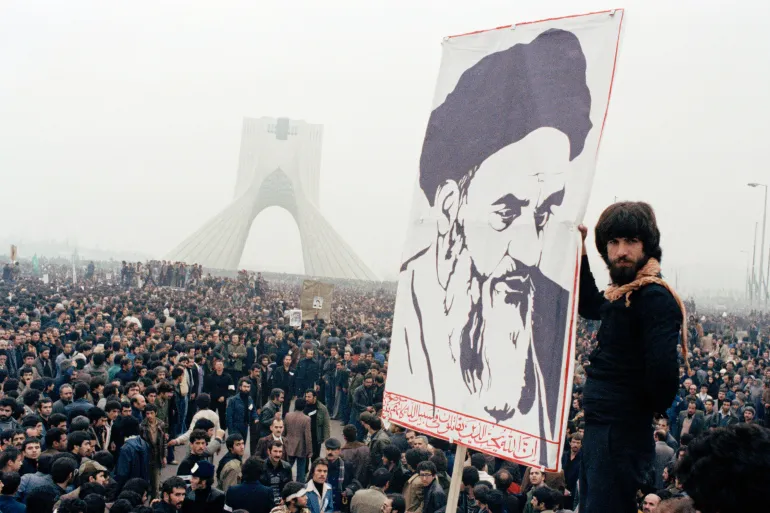
The 1979 Islamic Revolution transformed Iran from a monarchy into a theocratic republic, but the decades following have been marked by persistent crises. Shortly after the revolution, the 444-day U.S. hostage crisis began, followed by a devastating eight-year war with Iraq that resulted in hundreds of thousands of casualties.
For much of the late 20th and early 21st centuries, Iran has faced crippling international sanctions over its nuclear program. These measures have severely hampered the economy, leading to a long-term decline in the national currency, the rial, and causing widespread inflation that has affected the daily lives of millions.
Political unrest has also been a recurring theme, most notably with the 2009 Green Movement following a disputed election. In more recent years, nationwide protests have become more frequent and sustained, often triggered by economic grievances such as fuel price hikes or the collapse of the currency.
Regional tensions have recently escalated into direct military confrontations, including a significant conflict with Israel in 2025. This period saw heavy bombing and retaliatory missile strikes, further straining the country’s stability and testing the resilience of its military and political infrastructure.
By early 2026, Iran entered another dangerous moment as mass protests erupted from Tehran’s Grand Bazaar due to record-low currency values and 72 percent food inflation. The unrest quickly spread across the country, evolving into a broader challenge against the nation’s leadership and its economic management.
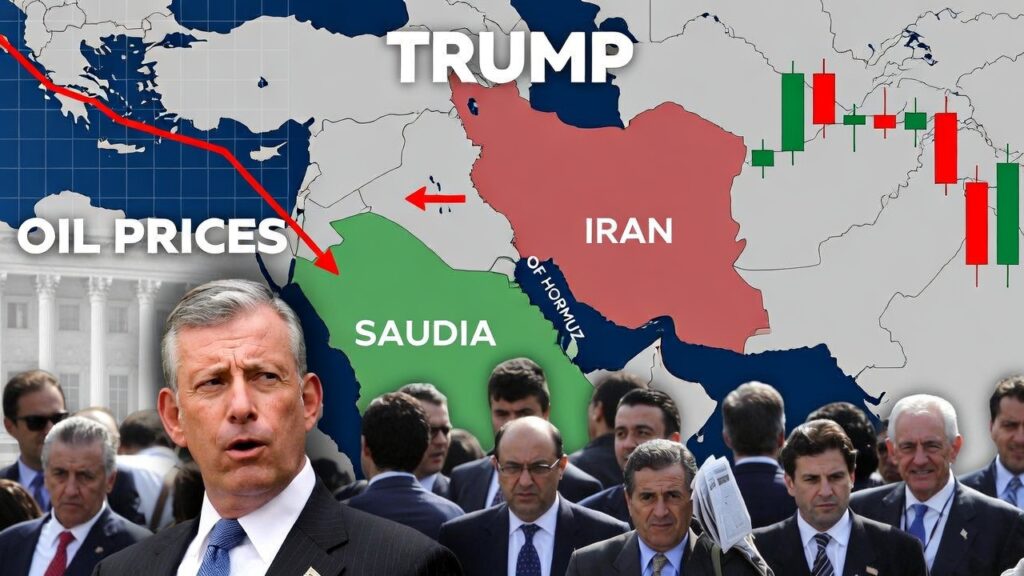
In response to this latest wave of instability, U.S. President Donald Trump has threatened military intervention and imposed new tariffs on Iran’s trading partners. These external pressures, combined with internal dissent, have left Iran facing one of the most volatile periods in its post-revolutionary history.