
U.S. Locks Down Venezuelan Oil Proceeds Amid Push to Reshape Post-Maduro Economy
The United States has taken direct control over the fate of Venezuelan oil revenue held within its financial system, positioning the funds as a strategic tool following the removal of former president Nicolás Maduro.
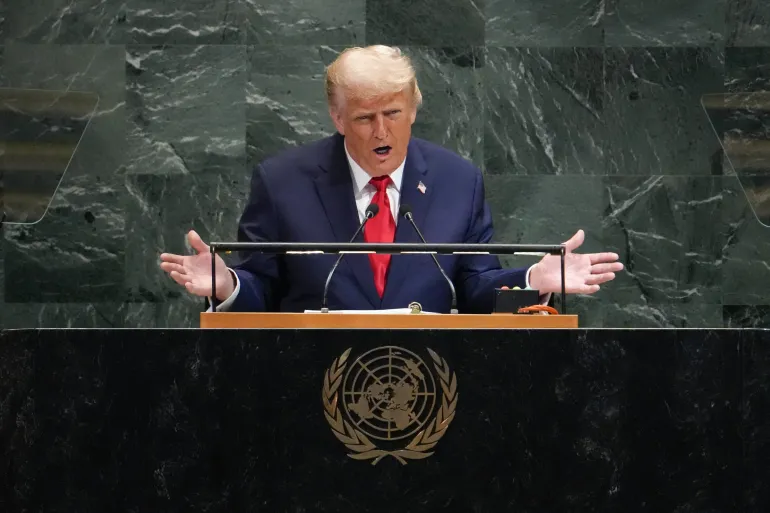
President Donald Trump on Friday signed an executive order that bars U.S. courts and creditors from accessing money generated from Venezuelan oil sales currently held in Treasury accounts.
The White House said the measure supports U.S. foreign policy goals and protects national security interests during Venezuela’s political transition.
A fact sheet released by the administration said the order declares a national emergency “to safeguard Venezuelan oil revenue held in U.S. Treasury accounts from attachment or judicial process,” effectively freezing any legal attempts to seize the funds.
“President Trump is preventing the seizure of Venezuelan oil revenue that could undermine critical U.S. efforts to ensure economic and political stability in Venezuela,” the document added.
The move followed a high-level meeting in Washington where Trump urged leading U.S. oil executives to consider re-entering Venezuela’s energy sector.
While the administration framed the country’s oil reserves as a major economic opportunity, company leaders expressed reservations about the investment climate.
ExxonMobil’s chief executive described Venezuela as “uninvestable” without sweeping reforms, reflecting long-standing concerns over political risk and legal uncertainty.
ExxonMobil and ConocoPhillips withdrew from the country in 2007 after rejecting demands by then-president Hugo Chávez to surrender majority ownership to the state. Both companies continue to pursue claims worth billions of dollars against Venezuela.
Chevron currently stands as the only U.S. oil company licensed to operate in the country.
Washington has sanctioned Venezuela since 2019, despite the country holding nearly one-fifth of the world’s proven oil reserves. Once a key supplier of crude to the United States, Venezuela’s oil industry has deteriorated sharply due to sanctions, underinvestment and years of economic decline.
OPEC data shows the country produced roughly one percent of global crude output in 2024.
Trump has repeatedly linked Venezuela’s oil potential to his administration’s efforts to drive down fuel prices at home, viewing access to the reserves as a long-term economic advantage for the United States.
The executive order was issued one week after U.S. forces carried out a nighttime operation in Caracas that resulted in the capture of Maduro.
The operation reportedly led to the deaths of dozens of Venezuelan and Cuban security personnel, deepening uncertainty over the country’s political future.
Observers say the decision to shield Venezuelan oil funds signals Washington’s intention to manage critical economic assets closely as it shapes its post-Maduro strategy, even as questions remain over stability, reform and foreign investment.