Sudan War: Contest for Power Between Former Allies
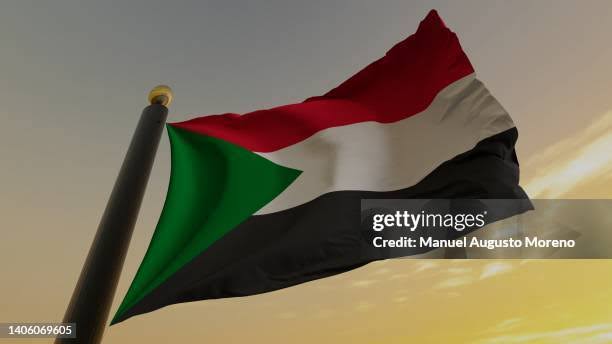
Sudan War: Contest for Power Between Former Allies
The conflict in Sudan is a brutal power struggle between two formerly allied military factions: the Sudanese Armed Forces (SAF) and the Rapid Support Forces (RSF). Led by General Abdel Fattah al-Burhan and Mohamed Hamdan Dagalo (Hemedti) respectively. These two groups are vying for total control of the nation.
The country is currently fractured, with the SAF maintaining a presence in the north and east, while the RSF dominates much of the western Darfur region and parts of the capital, Khartoum.
The roots of this violence dates back decades to the regime of former leader, Omar al-Bashir, who utilized Arab militias later formalized as the RSF to suppress non-Arab rebellions in Darfur. While both the SAF and RSF cooperated to oust al-Bashir in 2019 and later staged a joint military coup in 2021 to sideline civilian leaders, their partnership collapsed in April 2023.
The primary catalyst for the war was a fundamental disagreement over how the RSF would be integrated into the national army, a move that would have stripped Hemedti of his independent power base.
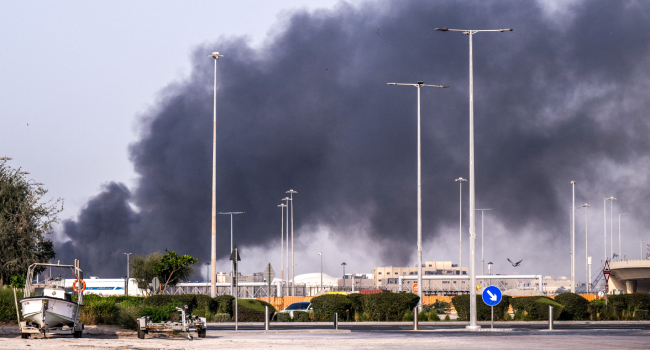
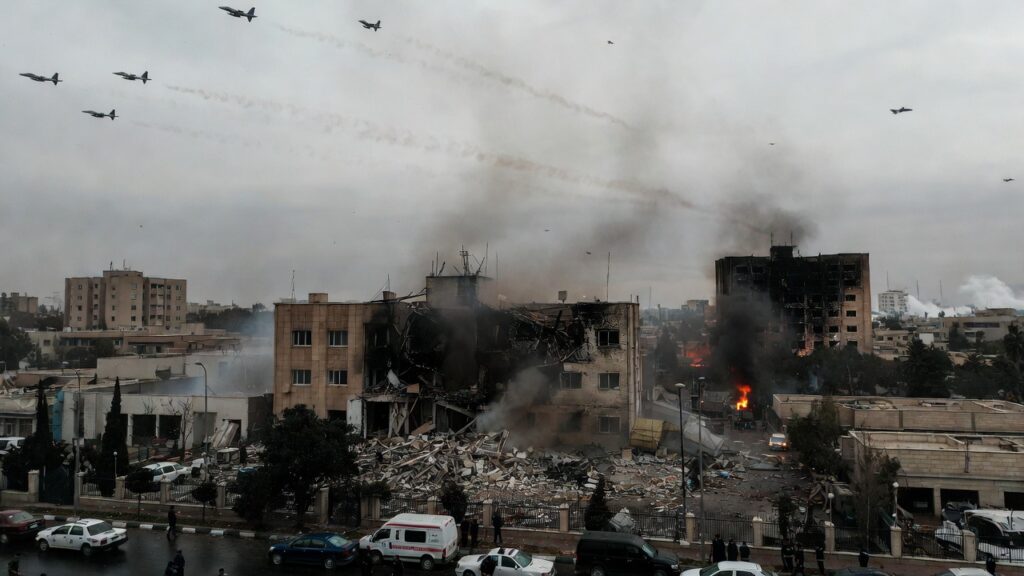
This war has triggered what is now considered the world’s largest humanitarian crisis, with over 12 million people forced to flee their homes and tens of thousands killed.
The conflict is marked by horrific human rights abuses, including the systematic use of sexual violence and famine as weapons of war. In particular, the Darfur region has seen a resurgence of ethnic cleansing, with massacres in cities like El Geneina leading the United States to officially declare that genocide is once again occurring in Sudan.
The resilience of both warring parties is sustained by a complex web of foreign interests and internal wealth. The SAF receives support from regional powers like Egypt, Turkey, and Iran, while the RSF is widely reported to be backed by the United Arab Emirates, despite their official denials. Furthermore, both sides exploit Sudan’s lucrative gold mines to fund their war chests, allowing them to bypass international sanctions and purchase sophisticated weaponry that prolongs the suffering of the civilian population.
Despite multiple rounds of international mediation led by the U.S. and Saudi Arabia, a lasting peace remains elusive because neither general is willing to make concessions.
The situation has been characterized as a “counter-revolutionary war” that has effectively crushed the democratic aspirations of the Sudanese people who led the 2019 uprising. As the fighting continues, the international community faces the daunting challenge of halting the flow of weapons and addressing a famine that threatens millions of lives across the region.