

Uzbeks Invoke Traditional Rain Prayer as Drought Intensifies Nationwide
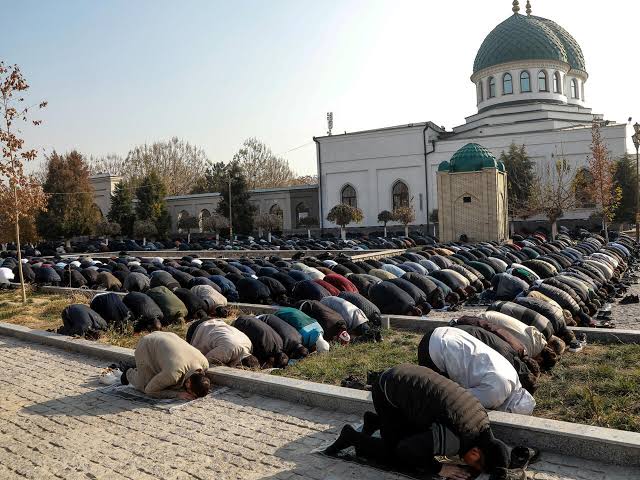
As Uzbekistan confronts one of its harshest dry seasons in recent years, Muslims across the nation gathered in mosques on Friday to perform a special communal prayer known as istisqa, seeking divine intervention for rainfall amid growing concern over diminishing water reserves and crop stress.
From major urban mosques in Tashkent to smaller village prayer grounds in Samarkand, Bukhara and the Fergana Valley, the turnout was striking. Worshippers arrived early for the weekly congregational prayers, many bringing their children with them, while imams delivered sermons emphasizing humility, patience and collective resilience in a time of environmental strain.
The call for istisqa followed weeks of unusually low rainfall and soil dryness that have affected agricultural planning, especially for winter wheat and cotton-producing zones. Farmers in rural districts have reported shrinking irrigation levels and increasing pressure on reservoirs that supply both village farms and municipal systems.
Religious leaders stressed that the prayers were not solely spiritual symbolism but part of a broader communal response. Many mosques organized charity distribution efforts, including food packs and meat portions for low-income families, signaling solidarity with those most vulnerable to rising food prices and water scarcity.
In several communities, local leaders and volunteers coordinated support programs to assist farmers, elderly households, and people living in remote areas with limited access to stable water supply.
Climate analysts have been warning for years that Central Asian nations, including Uzbekistan, are becoming increasingly prone to drought cycles due to shifting weather patterns and long-term warming trends. This year’s prolonged dry spell, coupled with higher-than-normal seasonal temperatures, has heightened awareness of water management challenges.
Discussions have intensified around inefficient irrigation structures, most of which date back to the Soviet era, and the need for updated systems capable of conserving water more effectively.
Residents who participated in the prayer expressed both anxiety and hope — anxiety for the immediate future of their crops and livelihoods, and hope that communal unity and faith might help usher in relief. Many said the gathering itself provided comfort by reinforcing a sense of shared struggle and collective purpose.
While spiritual supplications brought crowds together in solemn devotion, experts and policymakers are increasingly stressing the need for sustainable long-term strategies to address Uzbekistan’s hydrological vulnerabilities. Whether through modernized infrastructure, regional water-sharing agreements or climate-adaptive farming practices, the call for rain has turned into a call for durable solutions.