


Tinubu Abolishes Revenue Deductions by FIRS, Customs, NUPRC
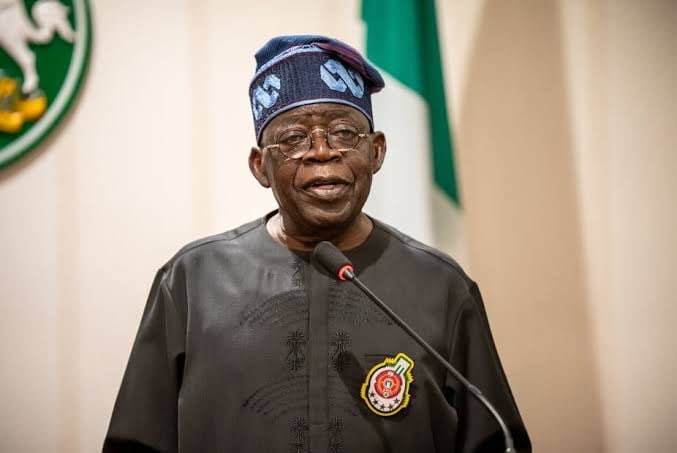
President Bola Ahmed Tinubu has ordered all revenue-generating agencies of the Federal Government including the Federal Inland Revenue Service (FIRS), Nigeria Customs Service (NCS), and the Nigerian Upstream Petroleum Regulatory Commission (NUPRC) to remit all revenues directly into the Federation Account, ending decades of self-retention of billions of naira as “cost of collection.”
The new directive, described by financial experts as a landmark move for fiscal transparency and accountability, was announced on Friday by the Minister of Finance and Coordinating Minister of the Economy, Mr. Wale Edun.
According to the minister, the reform aligns with constitutional provisions mandating that all federally collected revenues be remitted to the Federation Account for equitable distribution among the federal, state, and local governments through the Federation Account Allocation Committee (FAAC).
“This is about fairness, transparency, and accountability. Nigerians deserve to feel the impact of every naira collected,” Edun stated.
Until now, agencies such as the FIRS, Customs, and NUPRC deducted huge sums from revenues before remittance to the national treasury often running into hundreds of billions of naira annually.
In 2024 alone, the FIRS retained over ₦250 billion as part of its operational cost, a system critics have long described as opaque and prone to abuse.
With President Tinubu’s directive, every kobo collected by these agencies will now be paid in full into the national treasury, allowing the federal and sub-national governments to access higher allocations for infrastructure, education, healthcare, and social investment programmes.
The move is part of President Tinubu’s broader Renewed Hope Agenda, aimed at reforming Nigeria’s public finance system, curbing leakages, and ensuring that national resources directly benefit citizens.
The government has also intensified efforts to expand its social protection programs, with 10 million vulnerable households already benefiting from direct cash transfers in October, and plans to reach 50 million households by the end of 2025.
Economic analysts have lauded the policy as a “turning point in Nigeria’s fiscal history,” noting that it could significantly improve public trust and strengthen the financial capacity of all tiers of government.
“This reform ends years of hidden deductions and fragmented fiscal management,” said one Lagos-based economist. “It signals that Tinubu is serious about plugging leakages and ensuring that every revenue collected works for Nigerians.”
The directive takes immediate effect, with the Ministry of Finance expected to issue full implementation guidelines to all relevant agencies.