


Tinubu’s Reforms Realign Decades of Policy Inconsistencies, Readies Nigeria for Steady Growth, Says Atoyebi
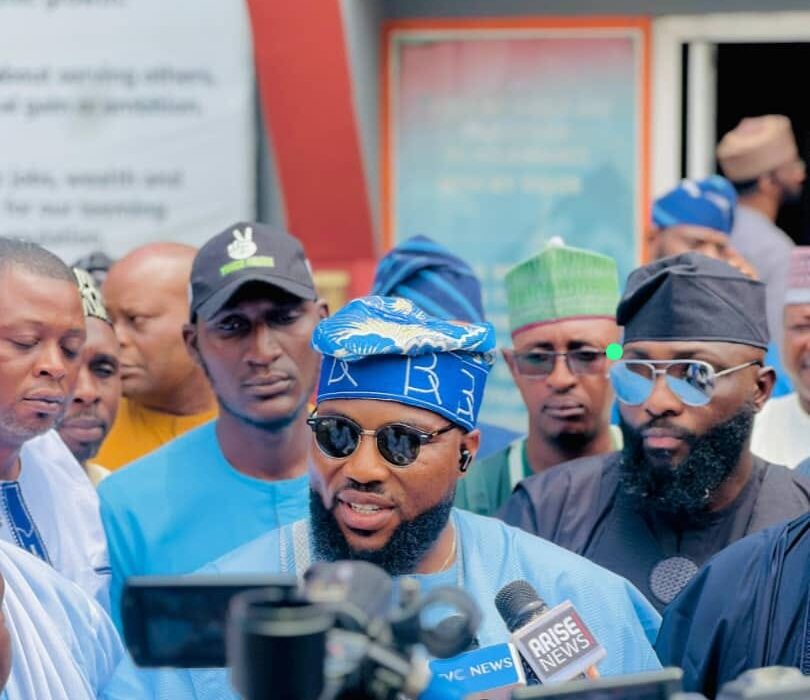
Nigerians have been urged to support ongoing structural reforms introduced by President Bola Ahmed Tinubu, which are described as long-overdue measures that previous administrations failed to implement, according to Honourable Bamidele Atoyebi, convener of the Bola Ahmed Tinubu Ideological Group.
Atoyebi said key national policies such as major highway construction projects, subsidy removal, tax reforms and consumer credit systems should have been introduced decades earlier but are now being addressed within a short period under the current administration. He cited projects like the Lagos–Calabar Coastal Highway, Kano-Kaduna-Ajaokuta and Sokoto–Badagry superhighway as examples of infrastructure that ought to have been delivered over 30 years ago.
He further noted that the removal of fuel and electricity subsidies, as well as the introduction of comprehensive tax reforms, could have stabilised Nigeria’s economy much earlier if implemented by past governments.
Similarly, he argued that initiatives such as a nationwide consumer credit scheme and student loan programmes could have improved living standards and reduced disruptions in the education sector, including strikes by the Academic Staff Union of Universities.
According to Atoyebi, reforms like the establishment of regional development commissions, the push for local government autonomy, and ongoing discussions around state policing are corrective steps addressing long-standing governance and security gaps. He maintained that if such measures had been introduced decades ago, many of Nigeria’s current socio-economic challenges would have been significantly reduced.
The BAT-IG convener acknowledged that the reforms have come with short-term economic pressures, including inflation and residual insecurity challenges, but insisted these are part of a necessary transition process.
He attributed resistance to the reforms to entrenched interests that previously benefited from systemic inefficiencies.
He added that because of sound economic policies and courageous infrastructure projects, Nigeria is now experiencing, for the first time in a long while, a decline in the prices of key commodities.
According to him, fuel prices that once rose to about 1500 naira dropped to around 700 naira before the US-Iran tensions escalation, while the dollar, which climbed to about 2000 naira, fell to approximately 1300 naira.
He also noted that food items, which had previously skyrocketed, are now dropping significantly. He emphasised that this marks a departure from past trends where prices typically rose and rarely came down under previous administrations.
Looking ahead to the 2027 general elections, Atoyebi framed the political landscape as a choice between consolidating ongoing reforms or reversing progress. He warned against returning to leadership that may abandon current initiatives, emphasising the importance of continuity in policy implementation.
He added that despite present challenges, Nigeria has moved past what he described as “darker days,” and expressed confidence that sustained commitment to reform would lead to a more resilient and prosperous nation.
Bamidele Atoyebi, the convener of the Bola Ahmed Tinubu Ideological Group, also serves as the national coordinator of Accountability and Monitoring PR and a publisher of Unfiltered and Mining reports.