
ADC Coalition in Limbo as Atoyebi Questions Credibility of Stakeholders
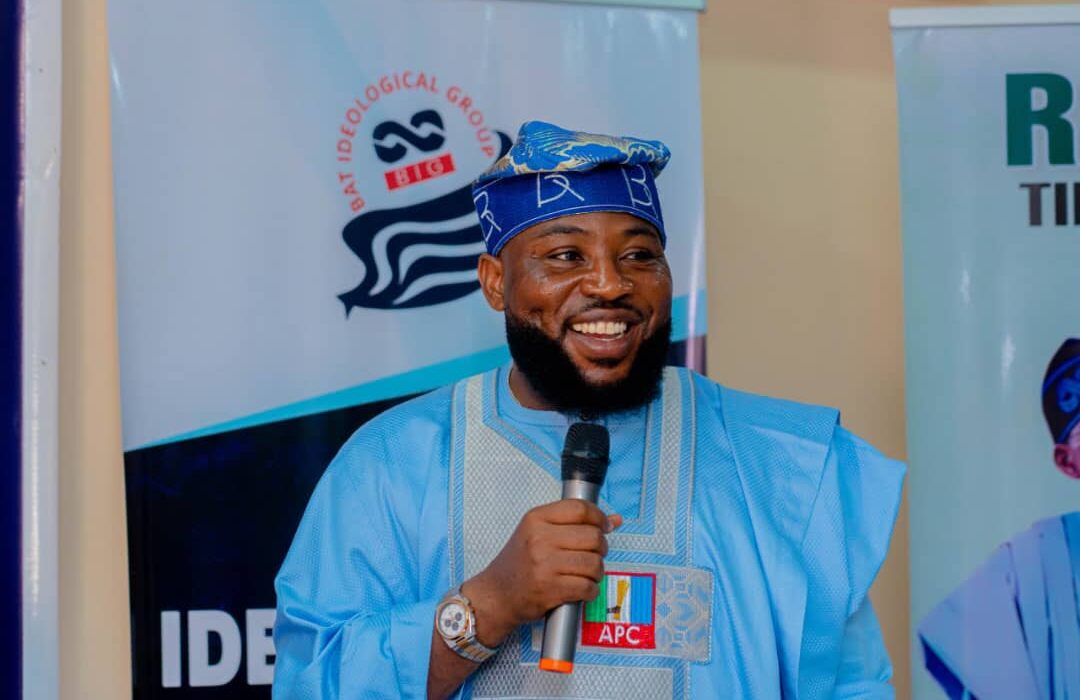
A policy analyst and convener of the Bola Ahmed Tinubu Ideological Group (BAT-IG), Bamidele Atoyebi, has raised concerns over the credibility of key figures aligned with the African Democratic Congress coalition, arguing that their past records undermine their current positioning as agents of national rescue.
Atoyebi examined the records of prominent political actors including Atiku Abubakar, Peter Obi, Rabiu Musa Kwankwaso, David Mark, Rauf Aregbesola and Rotimi Amaechi, describing their collective history as a major obstacle to public trust.
According to Atoyebi, the coalition presents “a facade of rescue,” but is weighed down by what he called a pattern of administrative lapses and unresolved controversies. He argued that many of the leaders had previously held exalted positions of power without delivering transformative outcomes.
Speaking on Atiku Abubakar’s tenure as Vice President between 1999 and 2007, Atoyebi said the period was defined more by controversial privatization processes than by industrial expansion. He referenced long standing allegations tied to international graft cases and questioned the broader impact of economic reforms carried out during that era.
On Peter Obi, former governor of Anambra State, Atoyebi acknowledged his reputation for prudence but argued that the image of transparency had been challenged by revelations in the Pandora Papers. He also cited the prolonged doctors’ strike during Obi’s administration as an example of fiscal discipline that, in his view, came at a social cost.
Atoyebi described Rabiu Musa Kwankwaso’s political base as overly personality-driven, warning that such structures weaken democratic institutions. He added that internal party disputes surrounding the former Kano governor reflect deeper issues of political cohesion.
Commenting on David Mark’s tenure as Senate President, Atoyebi credited him with legislative stability but criticized the period for what he termed a lack of fiscal transparency in the National Assembly. He also questioned the development record in Mark’s constituency despite his long presence in national politics.
The analyst further pointed to Rauf Aregbesola’s time as governor of Osun State, highlighting the well documented salary challenges faced by civil servants. He described the situation as a case of fiscal strain that significantly affected livelihoods.
On Rotimi Amaechi, former governor of Rivers State and Minister of Transportation, Atoyebi noted achievements in infrastructure but argued that security concerns, particularly in rail transport, exposed gaps in governance priorities.
Beyond these figures, Atoyebi referenced the broader political class, including personalities such as Dino Melaye, as emblematic of what he described as a disconnect between political conduct and public expectations. He said such optics weaken claims of reform and accountability.
“The central question Nigerians are asking is simple,” Atoyebi wrote. “What measurable impact have these leaders made during their years in power?” He argued that without clear answers, promises of national rescue risk being perceived as political rhetoric rather than actionable plans.
In contrast, Atoyebi presented the record of President Bola Ahmed Tinubu, particularly his tenure as governor of Lagos State, as a counter example. He cited major infrastructure and economic reforms as evidence of what he described as tangible governance outcomes.
Among the projects highlighted were the Eko Atlantic development and the Lekki Free Trade Zone, which Atoyebi said demonstrate long term planning and investment potential. He also pointed to the Lagos rail system, including the Blue and Red Lines, as functional infrastructure that has improved urban mobility.
Atoyebi further noted the growth of internally generated revenue in Lagos during Tinubu’s administration, describing it as a shift from federal dependence to fiscal sustainability. He added that policies aimed at education support and local government autonomy reflect broader institutional reforms.
Using an analogy, Atoyebi likened the political choice before Nigerians to “choosing between a tested blueprint and a recycled rhetoric,” arguing that past performance should remain a key metric in evaluating leadership claims.
He concluded that while the ADC coalition continues to project itself as an alternative, its members must address lingering questions about their records in office. Without this, he said, the narrative of national rescue may struggle to gain widespread credibility among voters seeking measurable progress.
Honourable Bamidele Atoyebi is the convener of the BAT Ideological Group, national coordinator of Accountability and Policy Monitoring and a publisher at Unfiltered and Mining Reporting.