



Global Energy Markets Rattled as Iran Re-Closes Strait of Hormuz Over Lebanon Conflict
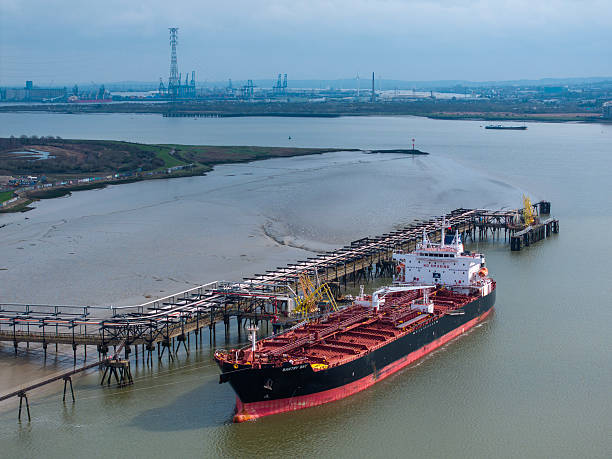
The fragile stability of global energy markets has been thrown into chaos once again as Iran officially closed the Strait of Hormuz on April 8, 2026.
The move comes as a direct response to a surge in Israeli military operations in Lebanon, with Tehran demanding an immediate and permanent ceasefire. This blockade effectively halts traffic through the world’s most critical maritime chokepoint, through which approximately 20% of the world’s petroleum and liquefied natural gas (LNG) passes daily.
The closure follows a “fragile” ceasefire agreement recently touted by the United States. However, Iranian state media reported that the Islamic Republic decided to restrict the waterway after a series of deadly strikes hit residential and commercial areas in Beirut. Iranian officials have characterized the blockade as a “defensive necessity” to protect regional interests, while the White House has condemned the act as “completely unacceptable,” demanding the immediate reopening of the international shipping lane.
Adding a new layer of complexity to the crisis is Iran’s implementation of a high-stakes transit fee. Iranian parliamentarians and state sources confirmed that the country has begun charging select commercial vessels a flat $2 million “security and environmental” toll for passage through a specific northern corridor around Larak Island. This “Hormuz Management Plan” seeks to codify these fees into law, with payments reportedly being collected in Chinese yuan and various cryptocurrencies to bypass Western financial sanctions.
While Iran justifies the fee as payment for “navigational assistance and escort services,” international maritime bodies and Gulf neighbors have declared the tolls illegal. The Gulf Cooperation Council (GCC) issued a statement calling the charges an “existential threat” to regional sovereignty. Despite these objections, several shipping companies have reportedly paid the fee to ensure the safe passage of their cargo, as insurance premiums for the region continue to skyrocket amid the ongoing military tension.
The current blockade is being described by economic analysts as the most significant disruption to global energy supplies since the 1970s. With traffic through the Strait reduced by an estimated 70%, oil prices have spiked significantly, impacting everything from manufacturing to global aviation. Beyond energy, the crisis is affecting markets for aluminum, fertilizers, and helium, as the Strait remains a vital artery for diverse commodity trade between the Middle East and the rest of the world.
The international community remains divided on a resolution. While the United States has hinted at “all defensive means necessary” to reopen the waterway, recent attempts to pass a United Nations Security Council resolution were vetoed by Russia and China. As the diplomatic standoff continues, the fate of the global economy remains tethered to the volatile security situation in Lebanon and the strategic waters of the Persian Gulf.