


Judge Rules Against Pentagon over Restrictive Journalism Policies
By 𝔸bdulrazak Tomiwa
A federal judge has struck down a Pentagon policy that limited journalist access to military headquarters. Judge Paul Friedman ruled in favor of The New York Times, finding that the Trump administration’s credentialing rules violated constitutional protections.
The court declared key portions of the policy unlawful and unenforceable.
The legal battle began after journalists walked out of the Pentagon to protest rules prohibiting the “solicitation” of unauthorized information. The New York Times argued these guidelines violated the First and Fifth Amendments. They claimed the policy stifled routine newsgathering and essential freedom of speech.
Judge Friedman ruled the policy failed to provide “fair notice” regarding which actions could lead to credential revocation. He described the rules as overly vague and lacking necessary transparency. The decision noted that such arbitrary authority encourages dangerous self-censorship among the press.
The ruling highlighted “viewpoint discrimination,” suggesting the policy was designed to exclude disfavored journalists from the Pentagon. Since the rules were implemented, the press corps had shifted toward more administration-friendly outlets. The court concluded this was an attempt to replace independent reporting with a compliant narrative.
The judge emphasized the importance of a free press during military conflicts, specifically mentioning tensions with Iran and Venezuela.
He argued that the public needs diverse perspectives to evaluate military actions accurately. Friedman stated that suppressing political speech actually undermines national security.
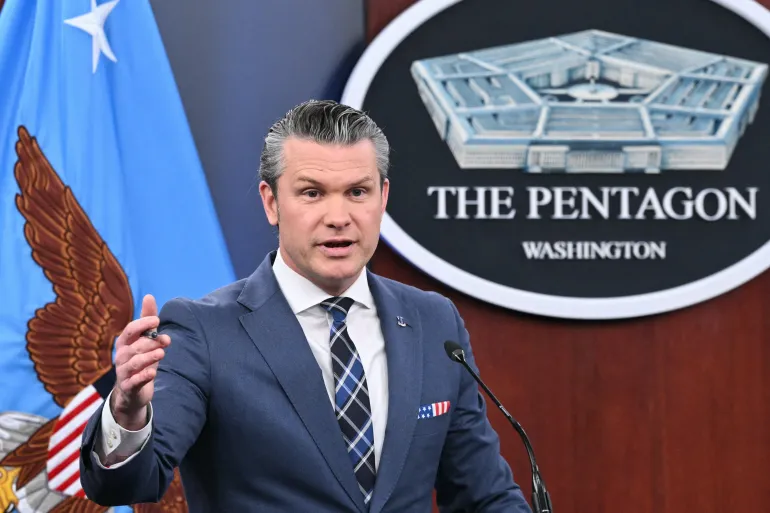
The Pentagon defended the measures as “common sense” security protocols meant to prevent the disclosure of sensitive information. Lawyers argued the goal was to ensure only authorized personnel had broad access. However, the judge found the application of these rules inconsistent and biased.
Following the ruling, the judge ordered the Pentagon to immediately reinstate credentials for seven New York Times journalists. The decision to vacate the policy applies to all regulated parties, not just the plaintiffs. This allows other news organizations to seek regained access to the building.
The New York Times celebrated the decision as a victory for the public’s right to monitor government operations. A spokesperson stated the ruling reaffirms the media’s role in asking difficult questions about military conduct.
They maintained that visibility is essential when tax dollars and lives are at stake.
The Pentagon expressed disagreement and signaled its intent to appeal the court’s findings. A spokesperson confirmed the Defense Department is exploring immediate legal options to challenge the ruling. For now, the Pentagon has one week to report on its compliance with restoring press access.