Extreme Poverty in Nigeria: Trends, Challenges and Prospects.
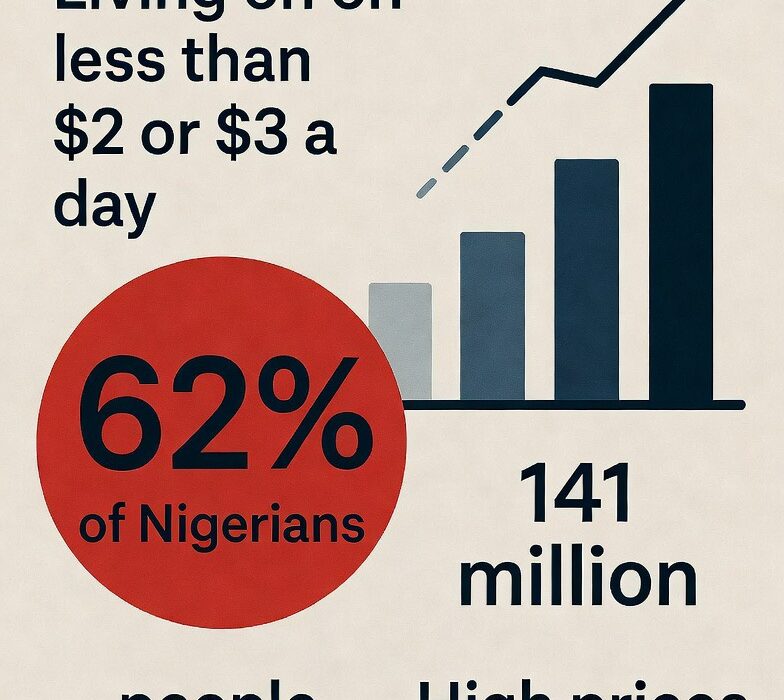
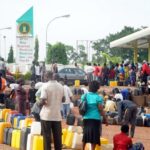
Extreme poverty in Nigeria means living on very little money each day, often less than $2 or $3. In 2026, reports show that about 62% of Nigerians, or around 141 million people, live in poverty. This is based on the national poverty line, which looks at what people need for basic food and items. The number has grown from past years due to high prices and slow job growth. Many families struggle to buy food or send kids to school.
Looking back, poverty was high at over 55% in 1990 for those under $3 a day. It dropped to about 31% by 2018 thanks to better oil sales and farming help. But since 2019, things got worse. The COVID-19 illness, wars far away raising food costs, and money changes in Nigeria pushed more people into poverty. From 81 million poor in 2019, it jumped to nearly 139 million by 2025.
The main reasons for this poverty are clear. Nigeria depends too much on selling oil, which has up-and-down prices. Most people work in farming or small jobs that pay little. Prices for food and things have gone up a lot, like 24% higher in some years. The country grows fast with more people, but not enough new jobs, especially for young ones. Over half of young people have no work.
Poverty hits some areas harder. In the north, over 75% of people are poor because of fights and bad weather like floods. The south and cities like Lagos have lower rates, around 42%, with better roads and schools. Most poor live in villages, where 86% of extreme poor are found. This also means less health care and learning for many.
Recent years brought big setbacks. Ending fuel help and changing money value made life cost more. Experts say without changes, poverty stays high in 2026. But small drops might come in 2027 if prices calm down.
To fix this, Nigeria needs new ways. Grow more food that lasts bad weather. Make more jobs in making things and tech. Help poor families with money or skills training. Stop fights in the north for safer farms. With these steps, the country can lower poverty and use its big group of people for good.