

QatarEnergy Halts Downstream Production
By Momodu Favour
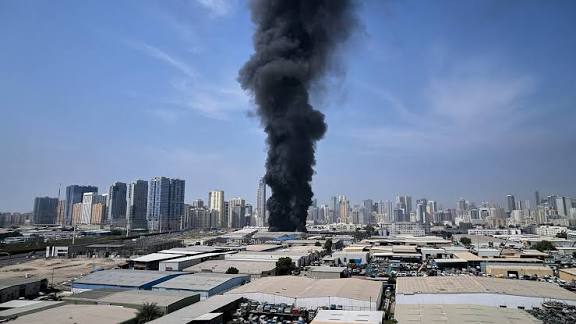
Qatar’s state-owned energy giant, QatarEnergy, announced Tuesday that it is suspending the production of several downstream products, a day after halting liquefied natural gas (LNG) operations following attacks on Iranian gas processing facilities.
In a statement, QatarEnergy said: “Further to the decision to stop production of liquefied natural gas and associated products, QatarEnergy is stopping the production of some downstream products in the State of Qatar, including urea, polymers, methanol, aluminum, and other products.”
The production halt comes amid an intensifying regional conflict, as Iran continues missile and drone attacks on Gulf states and Israel launched strikes in Lebanon in response to attacks by Hezbollah.
The escalating violence has raised global concerns about the security of energy shipments from the region.
Financial markets reacted swiftly. The Japanese yen and the euro fell sharply as investors assessed the economic impact of higher energy costs, while the U.S. dollar strengthened on safe-haven demand. The Dollar Index, which tracks the greenback against a basket of major currencies, rose 0.04% to 98.55. Sterling weakened 0.07% to $1.3395.
“The widening Middle East conflict has focused attention on countries dependent on energy imports and how central banks might respond to inflation pressures,” analysts said.
Europe and Japan, which rely heavily on imported energy, are particularly vulnerable to rising costs, whereas the United States, as a net energy exporter, is relatively insulated.
In Japan, top financial officials said markets are being closely monitored with “an extremely strong sense of urgency.” While asked about possible currency intervention, officials noted a prior agreement with the United States in 2025 to coordinate in times of extreme market stress.
Meanwhile, political leaders weighed in on the potential duration and impact of the conflict. U.S. President Donald Trump warned that the war could continue for weeks and described Iran’s leadership situation as uncert Halts Downstream Production Amid Escalating Middle East Tensions
QatarEnergy, announced Tuesday that it is suspending the production of several downstream products, a day after halting liquefied natural gas (LNG) operations following attacks on Iranian gas processing facilities.
In a statement, QatarEnergy said: “Further to the decision to stop production of liquefied natural gas and associated products, QatarEnergy is stopping the production of some downstream products in the State of Qatar, including urea, polymers, methanol, aluminum, and other products.”
The production halt comes amid an intensifying regional conflict, as Iran continues missile and drone attacks on Gulf states and Israel launched strikes in Lebanon in response to attacks by Hezbollah.
The escalating violence has raised global concerns about the security of energy shipments from the region.
The Japanese yen and the euro fell sharply as investors assessed the economic impact of higher energy costs, while the U.S. dollar strengthened on safe-haven demand. The Dollar Index, which tracks the greenback against a basket of major currencies, rose 0.04% to 98.55. Sterling weakened 0.07% to $1.3395.
“The widening Middle East conflict has focused attention on countries dependent on energy imports and how central banks might respond to inflation pressures,” analysts said. Europe and Japan, which rely heavily on imported energy, are particularly vulnerable to rising costs, whereas the United States, as a net energy exporter, is relatively insulated.
In Japan, top financial officials said markets are being closely monitored with “an extremely strong sense of urgency.” While asked about possible currency intervention, officials noted a prior agreement with the United States in 2025 to coordinate in times of extreme market stress.
Meanwhile, political leaders weighed in on the potential duration and impact of the conflict. U.S. President Donald Trump warned that the war could continue for weeks and described Iran’s leadership situation as uncertain following the death of Supreme Leader Ayatollah Ali Khamenei. Israeli Prime Minister Benjamin Netanyahu sought to calm public fears, stating in an interview with Fox News that the conflict would not be “an endless war.”
Qatar’s halt of LNG production has prompted precautionary shutdowns at other oil and gas facilities across the Middle East, signaling the risk of broader energy disruptions. Traders and governments worldwide are now bracing for possible spikes in oil, gas, and related commodity prices.
Analysts caution that the longer the conflict persists, the more severe the implications for global energy markets, inflation, and currency stability.