


Power Generation Drops to 4,300MW as Gas Supply Dips to 43%
By Momodu Favour
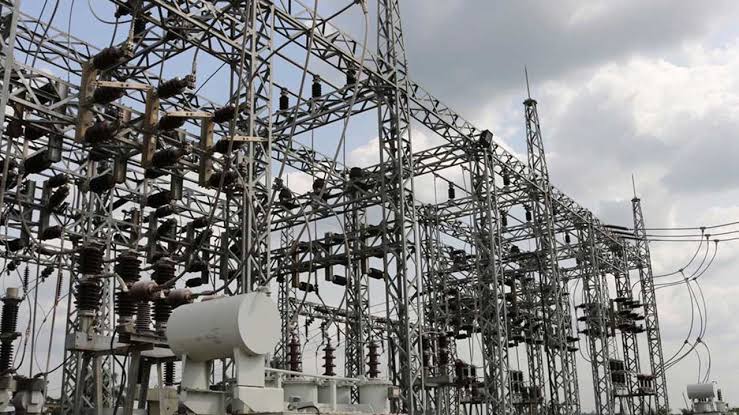
Nigeria’s electricity generation has dropped to an average of 4,300 megawatts (MW) following a sharp decline in gas supply to thermal power plants, the Nigerian Independent System Operator (NISO) announced on Friday.
In a statement titled “Declining Power Output Attributable to Generation Shortfalls and Gas Supply Limitations,” the system operator said the prolonged outages currently affecting homes and businesses nationwide are primarily due to inadequate gas supply to thermal generating stations, which account for the dominant share of Nigeria’s electricity mix.
According to NISO, thermal plants require an estimated 1,629.75 million standard cubic feet (mmscf) of gas per day to operate optimally.
However, as of February 23, 2026, actual supply stood at approximately 692.00 mmscf per day — less than 43 per cent of the required volume.
The operator said the shortfall has significantly constrained generation output, forcing it to implement load shedding across the national grid to maintain system stability.
“We hereby notify the general public and all market participants that the current average available generation of approximately 4,300MW is primarily due to inadequate gas supply to thermal generating stations,” NISO stated.
“Given that thermal plants account for the dominant share of Nigeria’s generation mix, any disruption or limitation in gas supply directly affects available generation capacity and overall grid output.”
The generation decline began in early February following scheduled maintenance on key gas supply infrastructure by the Nigerian National Petroleum Company Limited and Seplat Energy.
The maintenance temporarily disrupted gas deliveries to several thermal plants, triggering a nationwide drop in electricity output.
Although the maintenance was planned, the situation has persisted due to ongoing constraints in gas supply, further worsening the power shortfall.
Industry analysts note that Nigeria’s electricity sector remains structurally vulnerable because over 70 per cent of grid power comes from gas-fired thermal plants, with hydropower providing the remainder.
This heavy dependence means disruptions in gas production, pipeline vandalism, pricing disputes, or liquidity challenges within the electricity value chain often result in nationwide outages.
With available generation far below national demand, NISO confirmed it has been compelled to ration electricity supply in line with allocation percentages approved by the Nigerian Electricity Regulatory Commission’s Multi-Year Tariff Order (MYTO) framework.
“When total system generation drops significantly, the Independent System Operator must implement load shedding across the system, while dispatching available energy in line with the NERC MYTO allocation percentages across all distribution networks to maintain grid stability and prevent system disturbances,” the statement added.
The operator expressed regret over the inconvenience caused to consumers and market participants, assuring that efforts are ongoing to restore full generation capacity as soon as gas supply improves.
Beyond maintenance-related disruptions, gas constraints in Nigeria’s power sector are often linked to upstream production challenges, legacy debts owed by Generation Companies (GenCos) to gas suppliers, foreign exchange pressures, and infrastructure bottlenecks.
Generating companies have repeatedly warned that inadequate remittances from Distribution Companies (DisCos) limit their ability to meet payment obligations to gas suppliers, creating a cycle of underperformance across the value chain.
Although recent sector reforms separated the system operator from the Transmission Company of Nigeria to enhance transparency and grid management efficiency, fuel availability remains the primary determinant of generation output.
With Nigeria’s peak electricity demand estimated at over 20,000MW, the current 4,300MW average highlights a massive supply gap in Africa’s most populous nation.
Experts say a sustained improvement in electricity supply will depend not only on regulatory and market reforms but also on securing stable, commercially viable gas supply agreements.