
Global Atomic Faces Class Action Over Dasa Uranium Financing Disclosures
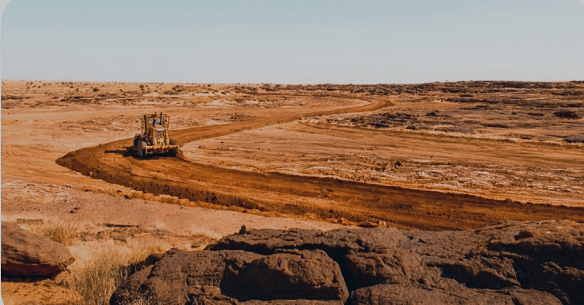
In the cutthroat uranium sector, where financing can make or break a project, Toronto-listed Global Atomic Corporation (TSX: GLO) is battling a proposed class-action lawsuit that accuses it of misleading shareholders about risks to its flagship Dasa project in Niger.
Filed on February 19, 2026, in Ontario Superior Court of Justice, the claim targets the company and CEO Stephen Roman over disclosures from November 10, 2023, to January 23, 2025. It alleges omissions on critical financing hurdles with the U.S. International Development Finance Corporation (DFC) and Export Development Canada (EDC), especially amid post-2023 Niger coup tensions that strained U.S. relations, closed military bases, and paused DFC support. Global Atomic disclosed “additional questions” from DFC on July 16, 2024, as U.S.-Niger ties frayed, yet continued expressing confidence in approvals and a H2 2026 commissioning timeline in updates. Its December 2024 year-end report highlighted progress to a U.S. development bank investment committee review—linked to DFC—with positive signals on critical minerals funding and joint venture alternatives. By early 2025, however, the company pivoted to private placements, raising up to C$30 million in January and C$37 million later that year to fund the ~US$425 million project toward a revised H2 2027 start. Plaintiffs, via Berger Montague (Canada) PC alerts, argue these moves signaled undisclosed preconditions blocking formal DFC/EDC approvals, despite public optimism on the high-grade Dasa deposit—Africa’s richest undeveloped uranium resource. Regional nationalizations and Sahel volatility amplified risks, though Global Atomic stresses Nigerien government backing, ongoing mine development since first blast in 2022, new deposits, and offtake interest. The company vehemently denies misrepresentations, calling allegations without merit as certification pends.
This case underscores the razor’s edge resource firms walk: bold forecasts fuel investment, but geopolitics demands unvarnished transparency. Dasa advances amid uncertainty, a reminder that in Niger’s turbulent mining landscape, cash crunches hit harder than any headline