Raji Rasaki’s Lagos Legacy
By 𝔸bdulrazak Tomiwa
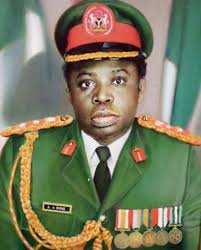
From 1988 to 1991, Lagos Military Governor, Raji Rasaki earned the nickname “The Bulldozer” for his aggressive urban clearing. His administration flattened major hubs like Balogun and Alaba markets, causing massive financial losses for traders who claimed they never received official quit notices.
The government also targeted the press, shutting down Vanguard and Champion newspapers for reporting on the demolitions. While officials promised modern shopping complexes, traders argued the markets were legitimate since they had been paying rent to local councils.
Rasaki’s personal involvement was extensive; he famously ordered the destruction of the Floating Bukka Restaurant and cleared the Eko Bridge corridor. He also removed 2,000 billboards to stop local officials from pocketing advertising revenue meant for the state.
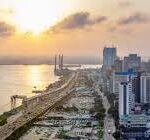
The 1990 destruction of Maroko remains his most controversial act, displacing 300,000 people from the “disaster-prone” coastal slum. Despite a pending court case, the settlement was flattened, and only 3,000 residents were eventually resettled.
Rasaki expressed zero regret for the mass evictions, focusing strictly on his vision of a modern city. He ignored the plight of the displaced, insisting that the transformation of the land was necessary for the state’s future.
By 1991, he remained famously unapologetic, stating he cared only about the satisfaction of the military authorities who appointed him. “I do not bother myself on what anybody says,” he remarked, cementing his reputation as a rigid, uncompromising leader.