

Six Years On, Fuel Sale Ban Chokes Ogun Border Towns
By 𝔸bdulrazak Tomiwa
A federal ban on fuel supplies within 20 kilometers of Nigeria’s land borders continues to cripple businesses in Ogun communities six years after.
Originally aimed at stopping smuggling and terrorism, the policy has left residents in Ipokia and Yewa North struggling with extreme scarcity.
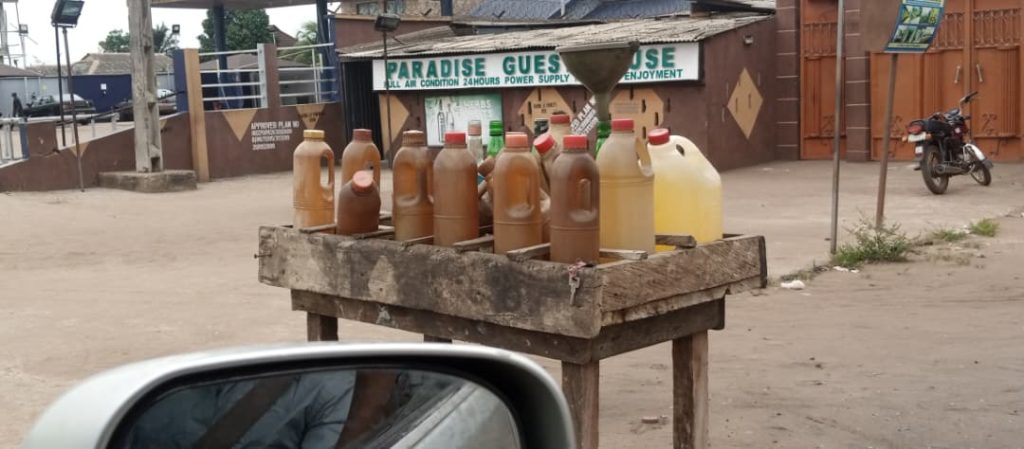
Despite recent partial waivers for select stations, residents still rely on black markets where prices hit ₦2,000 per litre. The limited supply forces many to sleep at fuel stations or travel long distances, as most local outlets remain shut.
The scarcity has caused transportation costs to triple, with some residents spending ₦5,000 just to reach a functional station. Local leaders argue that since fuel subsidies have been removed, the original reason for the ban no longer exists.
Traditional rulers and activists are now demanding a total end to the restrictions. They contend that the policy unfairly punishes border residents, stifles the local economy, and encourages social vices due to widespread job losses.
Human rights advocate Comrade Yinka Folarin criticized the policy as “a bridge on their rights because we are in a country where we are still battling with electricity supply,” further describing it as “a kind of discrimination against fellow Nigerians [that] the government must do everything to stop.”