Kano Deputy Gov Urges U.S. to Drop Kwankwaso from Sanctions Bill
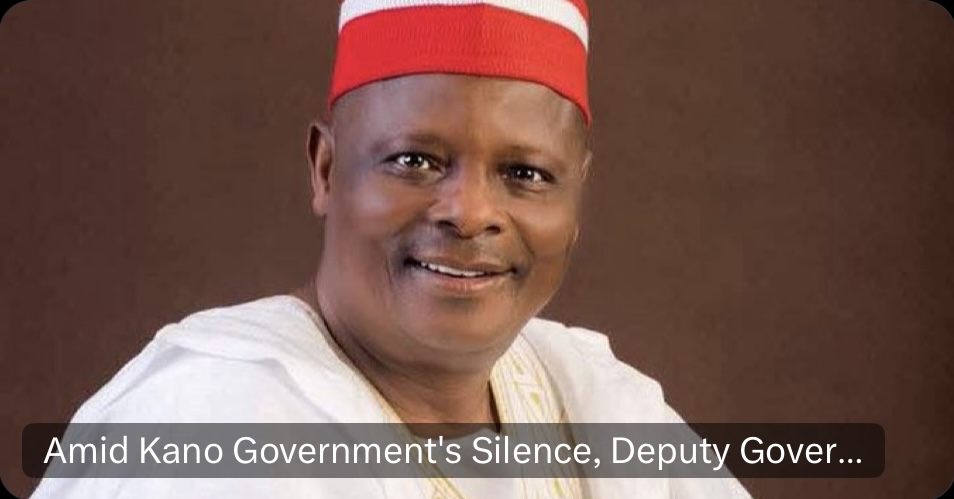
The Deputy Governor of Kano State, Aminu Abdussalam Gwarzo, has called on the United States Congress to remove the name of former Kano governor and national leader of the New Nigeria Peoples Party, Rabiu Musa Kwankwaso, from a proposed U.S. sanctions bill targeting individuals accused of religious freedom violations in Nigeria.
Gwarzo made the appeal amid what observers describe as the Kano State Government’s official silence on the matter. He described the inclusion of Kwankwaso in the proposed Nigeria Religious Freedom and Accountability Act of 2026 as “unfounded and misleading,” insisting that the former governor’s public record does not support allegations of religious persecution or extremism. According to the deputy governor, Kwankwaso has maintained a long-standing reputation for religious tolerance throughout his political career, fostering peaceful coexistence among diverse religious communities in Kano and beyond. He urged U.S. lawmakers to conduct thorough fact-finding and ensure fairness before advancing any punitive measures. The proposed bill reportedly recommends visa bans and possible asset freezes against individuals alleged to have been complicit in severe violations of religious freedom in Nigeria. Kwankwaso’s inclusion has sparked widespread criticism among his political allies and supporters. Leaders of the New Nigeria Peoples Party (NNPP) have strongly rejected the allegations, describing them as politically motivated. Prominent Kwankwasiyya figure Buba Galadima also faulted the proposal, arguing that Kwankwaso’s political history and cross-religious alliances contradict the claims contained in the draft legislation. Despite the growing controversy, the Kano State Government under Governor Abba Kabir Yusuf has yet to issue an official statement directly addressing the U.S. bill. Political analysts say the silence may be strategic, given the sensitive diplomatic implications of the matter. The development has stirred debate within Nigeria’s political landscape, with calls for due process, diplomatic engagement, and careful scrutiny of the allegations before any international sanctions are imposed.