

U.S. Lawmakers Target Chinese Mining Companies Allegedly Funding Fulani Militias in Nigeria
By Momodu Favour
A group of U.S. lawmakers have introduced a bill aimed at curbing alleged illegal Chinese mining operations in Nigeria, over claims that profits from these activities are being used to finance armed Fulani militias.
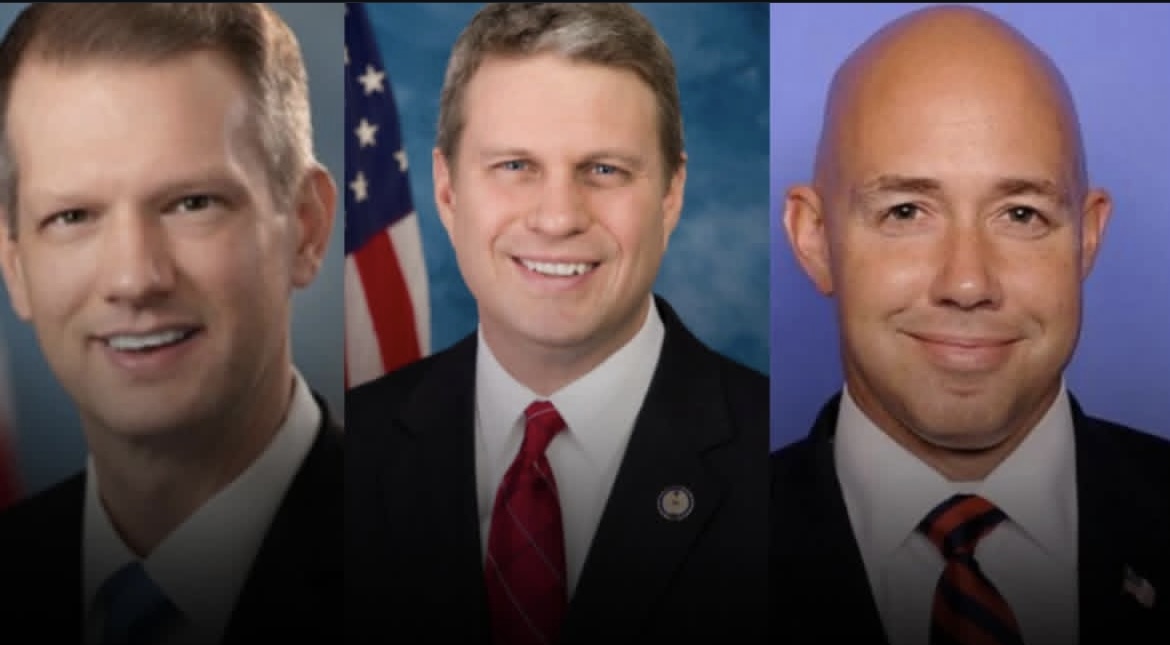
The legislation, known as the Nigeria Religious Freedom and Accountability Act of 2026, was introduced on Tuesday in the House of Representatives by five Republican lawmakers: Chris Smith, Riley Moore (the bill’s primary author), Brian Mast, Mario Diaz-Balart, and Bill Huizenga.
The sponsors of the bill allege that certain Chinese mining operations in Nigeria are involved in “destabilizing practices,” including paying protection money to Fulani militias.
These groups have been linked to communal violence and insecurity in parts of Nigeria. The bill calls on the U.S. Secretary of State to work closely with Nigerian authorities to counter these activities and prevent foreign exploitation that may contribute to violence.
The bill also recommends providing Nigeria with technical and security assistance aimed at reducing violence from armed Fulani militias, including disarmament programs and broader counterterrorism cooperation.
It directs an assessment of whether certain Fulani-ethnic militias should be classified as Foreign Terrorist Organizations (FTOs), a designation that could trigger sanctions under U.S. law.
Furthermore, the legislation encourages engagement with global partners, including France, Hungary, and the United Kingdom, to promote religious freedom, peace, and stability in Nigeria.
Supporters of the legislation argue that illegal mining profits have long fueled armed groups in Nigeria, exacerbating ethnic tensions and threatening both local and regional security.
Critics, however, caution that the bill’s success will depend on cooperation from the Nigerian government and careful management of U.S.-China relations.
The proposed bill reflects growing concern in Washington about the role of foreign actors in Nigerian security challenges, particularly in the Middle Belt and northern regions, where Fulani militias have been linked to repeated attacks on farming communities and escalating communal violence.
If passed, the legislation would mark a significant U.S. policy intervention in Nigerian internal security issues, focusing not only on economic exploitation but also on promoting religious freedom and countering armed groups tied to foreign funding.