
S’Korean Court Jails Ex-Interior Minister 7 Years Over 2024 Martial Law Crisis
By Momodu Favour
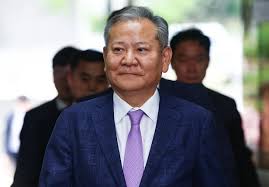
A South Korean court on Thursday sentenced former Interior and Safety Minister, Lee Sang-min to seven years in prison for his role in the 2024 martial law crisis that shook the country’s democratic foundations.
The Seoul Central District Court found Lee guilty of participating in acts amounting to insurrection following former President Yoon Suk Yeol’s controversial declaration of martial law in December 2024.
Yoon had abruptly imposed military rule, deploying armed troops to the National Assembly in Seoul and suspending civilian government operations in what was widely criticised as an unconstitutional move.
Lawmakers later moved swiftly to overturn the declaration amid public outrage.
In its televised verdict, the three-judge panel ruled that Lee played a direct role in undermining constitutional order by instructing authorities to cut electricity and water supplies to media organisations perceived to be critical of the government.
“Acts of insurrection undermine the core values of democracy and therefore warrant severe punishment,” the court said.
The judges further stated that by ordering the National Fire Agency to cooperate in cutting off utilities to media outlets, Lee actively participated in efforts to suppress dissent during the crisis.
In addition to the insurrection charge, the court convicted Lee of perjury for denying in earlier proceedings that he had issued such directives.
Prosecutors had sought a heavier sentence, arguing that Lee’s actions contributed significantly to the attempt to destabilise democratic governance.
However, the court settled on a seven-year term.
Meanwhile, former President Yoon is scheduled to appear in court on February 19 to face insurrection charges that could carry the death penalty under South Korean law.
The 65-year-old was impeached and removed from office in April 2025 following months of political turmoil stemming from the martial law declaration.
The ruling marks a significant development in South Korea’s ongoing legal reckoning over one of the gravest political crises in its recent history.