



States, Companies Authorized to Generate Power as Tinubu Signs Electricity Bill into Law
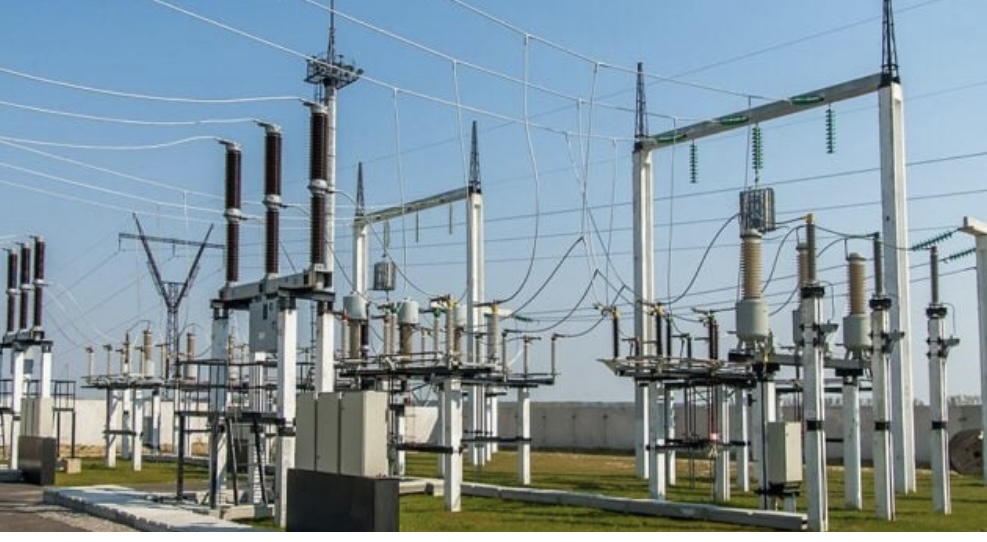
President Bola Ahmed Tinubu has signed the Electricity Bill into law, marking a major shift in Nigeria’s power sector by empowering states, private companies, and individuals to generate, transmit, and distribute electricity across the country.
The new Electricity Act repeals the Electricity and Power Sector Reform Act (EPSRA) of 2005 and consolidates all existing laws governing the Nigerian Electricity Supply Industry (NESI) into a single, comprehensive legal framework.
With the assent, state governments are now legally permitted to establish, regulate, and operate electricity markets within their jurisdictions, including generation, transmission, and distribution networks.
This effectively ends the long-standing monopoly of the Federal Government in electricity regulation and opens the sector to deeper decentralisation.
Under the new law, states may also issue licences to private investors to operate power utilities, while individuals and companies can independently generate and distribute electricity, subject to regulatory guidelines.
The Act is expected to stimulate competition, attract fresh investments, and improve electricity access, particularly in underserved and rural communities.
The legislation further strengthens the Nigerian Electricity Regulatory Commission (NERC), granting it clearer powers to oversee interstate and international electricity transactions, while allowing states to create their own electricity regulatory bodies for intrastate operations.
Industry experts say the new law could accelerate power sector reforms by encouraging innovation, reducing bureaucratic bottlenecks, and enabling tailored electricity solutions at the sub-national level. It is also expected to support renewable energy development, mini-grids, and embedded power projects.
President Tinubu’s assent aligns with his administration’s broader economic reform agenda aimed at improving infrastructure, boosting productivity, and reducing the cost of doing business in Nigeria.
Stakeholders, however, note that effective implementation, regulatory coordination between federal and state authorities, and investment in transmission infrastructure will be crucial to achieving the law’s intended impact.