

FG to split electricity subsidy with state govt
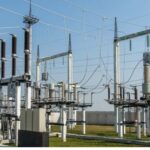
Starting in 2026, the Federal Government will stop paying electricity subsidies alone, sharing the cost with state and local governments. This shift aims to end the central government’s sole financial burden and create a more sustainable energy sector.
Paying for Choices
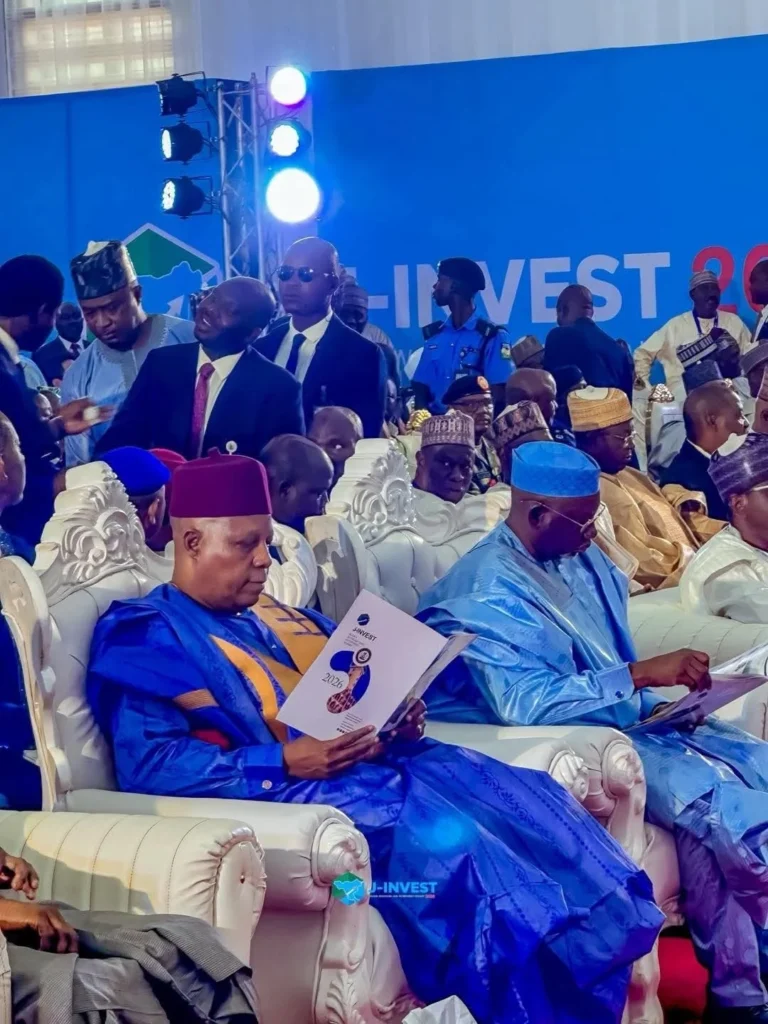
Budget DG Tanimu Yakubu stated that all tiers of government must be accountable for the costs of keeping tariffs low. Addressing the financial gap, he stated, “If we want a stable power sector, we must pay for the choices we make. When tariffs are held below cost, a gap is created. That gap is a subsidy. And a subsidy is a bill.”
Enforced Transparency
President Tinubu has ordered legal frameworks to make these shared costs explicit and enforceable. This prevents hidden debts and ensures that any government level choosing to lower prices is also responsible for funding those interventions.
Strategic Alignment
This isn’t a punishment but an incentive for states to improve power efficiency. By carrying a fair share of the bill, all levels of government are encouraged to protect the vulnerable while building a power market that actually works.
Solving Debt
The policy targets a N4 trillion debt crisis currently crippling electricity generators. By sharing the subsidy burden and using new bond initiatives, the government hopes to stabilize the market and stop the cycle of unpaid liabilities.
New Legal Roles
Under the 2023 Electricity Act, states now have the power to generate and distribute their own electricity. Consequently, they must now reflect these subsidy costs in their 2026 budgets to ensure full financial transparency.