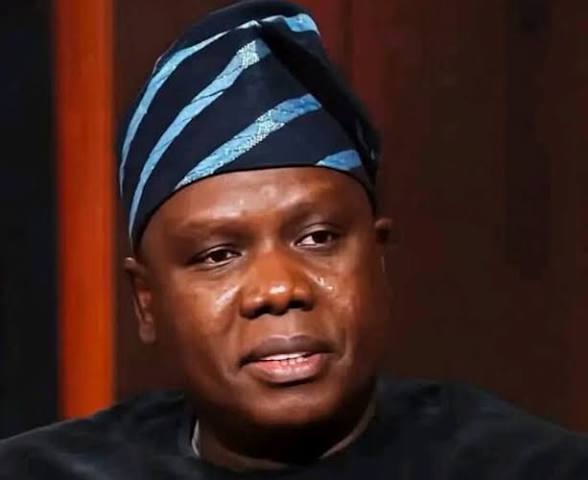
Showunmi Carpets Peter Obi over 2027, Says He’s Lazy
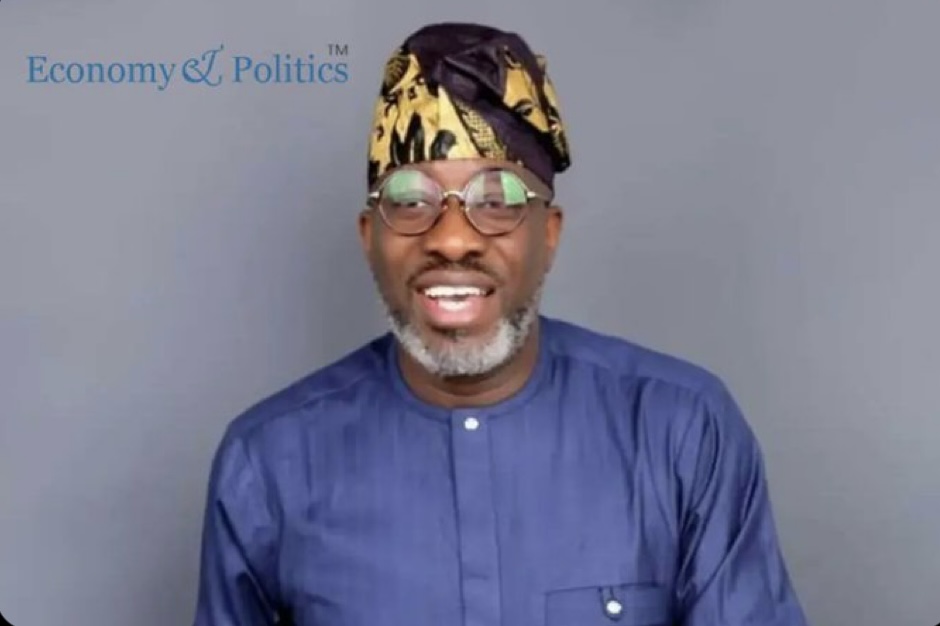
A chieftain of the Peoples Democratic Party (PDP), Segun Showunmi, has described former Labour Party presidential candidate, Peter Obi, as “lazy” ahead of the 2027 general elections, sparking fresh debate within opposition political circles.
Showunmi made the remark while reacting to growing discussions about opposition realignment and preparations to challenge the ruling All Progressives Congress (APC) in 2027. According to him, relying on past popularity or public goodwill without sustained grassroots engagement and political organisation amounts to political laziness. He argued that Peter Obi, who finished strongly in the 2023 presidential election and commands a loyal support base, has not done enough since the polls to consolidate his influence nationwide or build a formidable political structure capable of winning future elections. Showunmi maintained that serious contenders for the presidency must remain visible, engage party structures consistently and invest in long-term mobilisation rather than waiting for election seasons. He stressed that opposition politics requires hard work, sacrifice and constant engagement with voters across the country. The PDP chieftain also criticised what he described as the tendency among some opposition figures to depend on proposed coalitions without first strengthening their individual political platforms. He warned that such an approach could weaken the opposition’s chances against the well-organised ruling party. Peter Obi has not officially declared his intention to contest the 2027 presidential election, but his name continues to dominate political conversations, with supporters urging him to run again. Obi has, however, repeatedly stated that any political alliance or coalition must be driven by shared principles and good governance, not merely the desire to grab power. The comment by Showunmi comes amid increasing political activity ahead of 2027, with both ruling and opposition figures making early moves and statements. While some analysts see the remarks as internal opposition criticism aimed at strengthening strategy, others believe they reflect deeper divisions that could affect opposition unity going forward.