



Deadly Airstrikes Hit Gaza on Eve of Rafah Crossing Reopening
Deadly Airstrikes Hit Gaza on Eve of Rafah Crossing Reopening
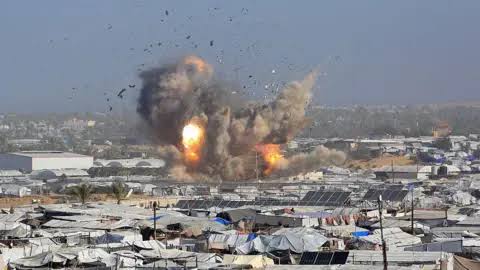
On January 31, 2026, Israeli military strikes killed at least 31 Palestinians, including six children, across Gaza City and Khan Younis.
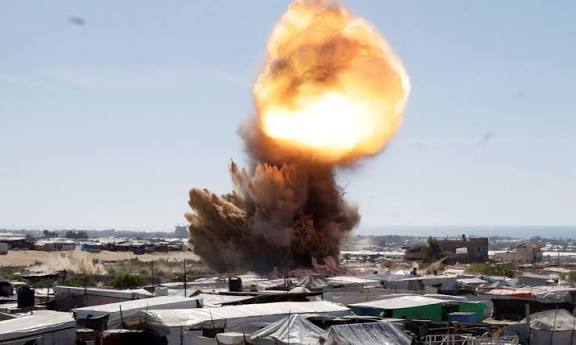
These attacks occurred just one day before the Rafah crossing was scheduled to reopen. The sudden escalation caused widespread panic among residents who had hoped for a reprieve and the arrival of much-needed aid.
The Israeli military claimed the strikes targeted Hamas and Islamic Jihad command centers in response to ceasefire violations. Officials specifically cited activity near underground infrastructure in eastern Rafah to justify the raids.
They maintained that the operations were necessary to address threats to their security despite the ongoing truce.
Hamas rejected these justifications, calling the allegations a “pathetic attempt” to mask the targeting of civilians. A spokesperson stated that the claims showed total disregard for the international mediators who brokered the peace process.
They emphasized that the majority of the casualties were non-combatants killed in their homes.
In Gaza City’s Sheikh Radwan neighborhood, an Israeli airstrike leveled a police station and nearby residential areas. At least 13 people were killed at this site alone as rescue teams searched through the debris for survivors.
Residents described a terrifying scene, with drones and helicopters circling low before the missiles hit.
Health officials warned that Gaza’s medical system is at a breaking point due to the continuous bombardment and blockades. Dr. Munir al-Bursh called for immediate medical evacuations as essential supplies continue to run out.
Many of the wounded require specialized surgeries that are currently impossible to perform within the strip.
The crisis is particularly lethal for chronic patients, such as those requiring dialysis to survive. Dr. Muhammad Abu Salmiya reported that nearly half of Gaza’s kidney patients have died over the last two years due to lack of care.
With few operational machines left, the medical community is desperate for the Rafah crossing to provide a lifeline.
Monitoring groups report that Israel has violated the October 2024 ceasefire agreement over 1,300 times, resulting in more than 500 deaths.
These persistent attacks have stalled reconstruction efforts and left millions in dire conditions.
The population continues to struggle against the dual threats of military violence and a worsening famine.
The scheduled reopening of the Rafah crossing remains a focal point of both hope and intense tension. While it offers a potential path for humanitarian relief and travel, the recent violence has cast a dark shadow over the prospect.
Palestinians remain in a state of deep uncertainty as they await the outcome of Sunday’s planned opening.