

Why Nigeria’s National Grid Continues to Collapse in 2026
Why Nigeria’s National Grid Continues to Collapse in 2026
Nigeria’s national electricity grid has suffered a turbulent start to 2026, recording three major collapses within a single week. While the government highlights recent financial reforms as progress, industry insiders argue these recurring failures expose a systemic rot that capital injections alone cannot solve.
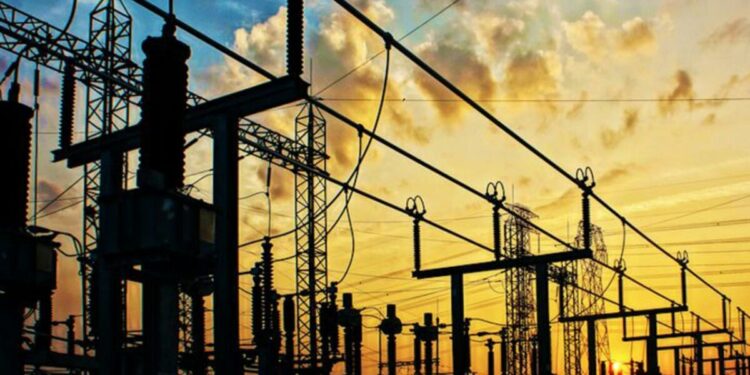
Senior engineers from the TCN and NDPHC blame the grid’s fragility on fundamental design flaws and poor coordination. They reveal that most current “expansions” are merely emergency repairs on an aging system that lacks the redundancy needed to prevent localized faults from cascading into total blackouts.
A significant bottleneck remains the mismatch between power generation and transmission capacity. Although GenCo debts have been eased through bond programs, the grid cannot safely evacuate the electricity generated, leading to instability when weak lines are pushed beyond their technical limits.
Much of the infrastructure is operating far past its technical given days, with several 330kV and 132kV lines being decades old. Insiders note that even minor disturbances, which modern grids easily absorb, trigger total shutdowns because the Nigerian network lacks the resilience to manage sudden frequency fluctuations.
Governance and transparency issues have also come under intense scrutiny. Energy analysts are now demanding an independent forensic audit of the national grid to track billions of naira in funding, amid concerns that critical transmission projects are stalled by procurement delays and poor supervision.
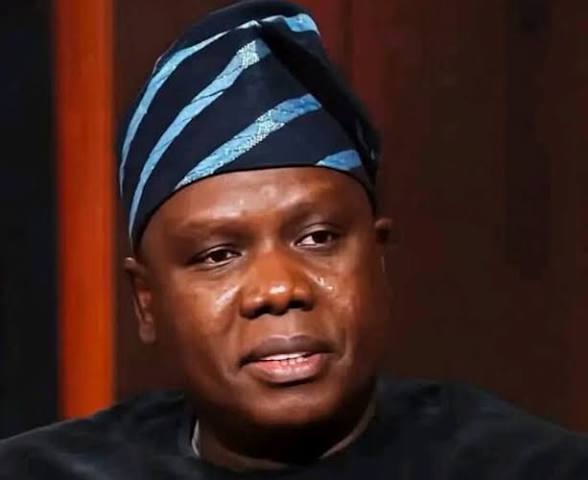
Political pressure has mounted, with figures like Peter Obi describing the collapses as a symptom of persistent leadership failure. He highlighted Nigeria’s low electricity access relative to its population, calling for a professional task force to oversee a comprehensive overhaul of the entire power sector.
The Nigerian Independent System Operator attributed recent collapses to multiple line trips and unit disconnections. However, operators argue that the frequency of these issues suggests a lack of automated protection systems, leaving the grid vulnerable to human error and manual coordination gaps.
The economic toll of these failures is immense, forcing businesses and households to rely on expensive diesel generators. Stakeholders emphasize that the cycle of “spending without stability” is unsustainable, as the economy will continue to struggle until the transmission network is modernized and reliable.
The consensus among experts is that Nigeria must prioritize structural reforms over temporary financial patches. Long-term stability requires decentralizing the grid and completing the Presidential Power Initiative projects; otherwise, the threat of further collapses throughout 2026 remains a certainty.