


China Vows Support for Cuba Amid Rising U.S. Pressure
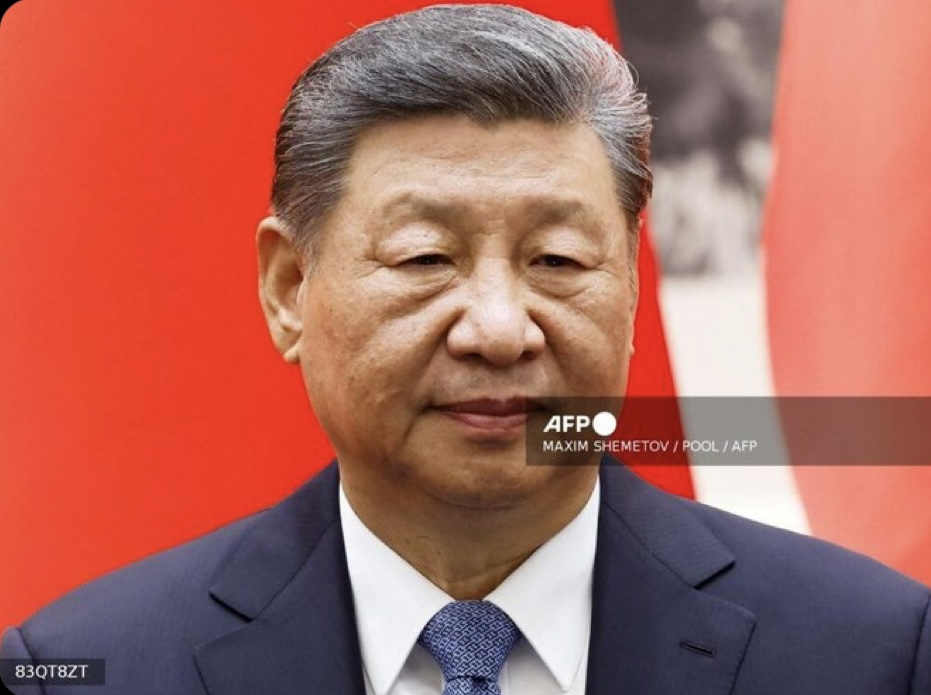
China has pledged robust diplomatic and practical support for Cuba following intensified threats from the United States, in a move that underscores Beijing’s growing influence in Latin America and its willingness to counter U.S. pressure in the Western Hemisphere.
At a press briefing on Monday, Chinese Foreign Ministry spokesperson Guo Jiakun expressed Beijing’s “deep concern” over Washington’s recent actions against Cuba, describing them as a violation of international law that threaten regional stability. “China firmly opposes coercive measures and unilateral sanctions, and calls on the U.S. to immediately stop actions that undermine peace, security, and the Cuban people’s right to development,” Guo said The Chinese government also announced plans to provide tangible assistance to Havana. Reports indicate that 30,000 tonnes of rice have been sent to Cuba as part of an emergency aid package, aimed at mitigating the severe shortages worsened by U.S. sanctions and disruptions in Venezuelan oil supplies. Analysts note that such support reinforces Cuba’s resilience in the face of mounting economic pressure. The escalation follows recent U.S. actions in the region, including the capture of Venezuelan leader Nicolás Maduro, a long-standing ally of Cuba, and threats to sever oil supplies and financial support to the island nation. The U.S. administration has publicly warned Cuba to make concessions or risk facing consequences similar to those imposed on Venezuela. In response, Havana has refused direct negotiations with Washington, emphasizing its sovereignty and right to maintain international partnerships. Cuba’s alliances with countries such as China, Russia, and Iran have become increasingly critical amid the tightening U.S. blockade. Experts suggest that Beijing’s public support for Cuba signals a broader strategy to expand its diplomatic and economic footprint in Latin America, countering U.S. influence and strengthening ties with smaller, strategically positioned states. China and Cuba share a long-standing diplomatic relationship spanning over six decades, during which Beijing has consistently opposed the U.S. embargo at international forums like the United Nations. The current pledge of support, including both diplomatic advocacy and emergency aid, marks one of the most concrete demonstrations of China’s backing of Havana in recent years Cuban officials have welcomed the support, framing it as a reaffirmation of their right to engage in international partnerships without external coercion. Venezuelan interim president Delcy Rodríguez also voiced solidarity, asserting that U.S. actions constitute “aggression” and infringements on the sovereign rights of allied nations. The ongoing tensions are expected to have far-reaching implications for regional geopolitics. Analysts predict that U.S.-Cuba relations will remain strained, with Beijing likely to continue leveraging its economic and political influence to support Havana. Meanwhile, the situation places Cuba at the center of a growing geopolitical competition between the United States and China in Latin America, highlighting the island nation’s strategic importance in broader global power dynamics.