

Bukola Saraki vs Tinubu: When Superior Strategy Prevails
Bukola Saraki vs Tinubu: When Superior Strategy Prevails
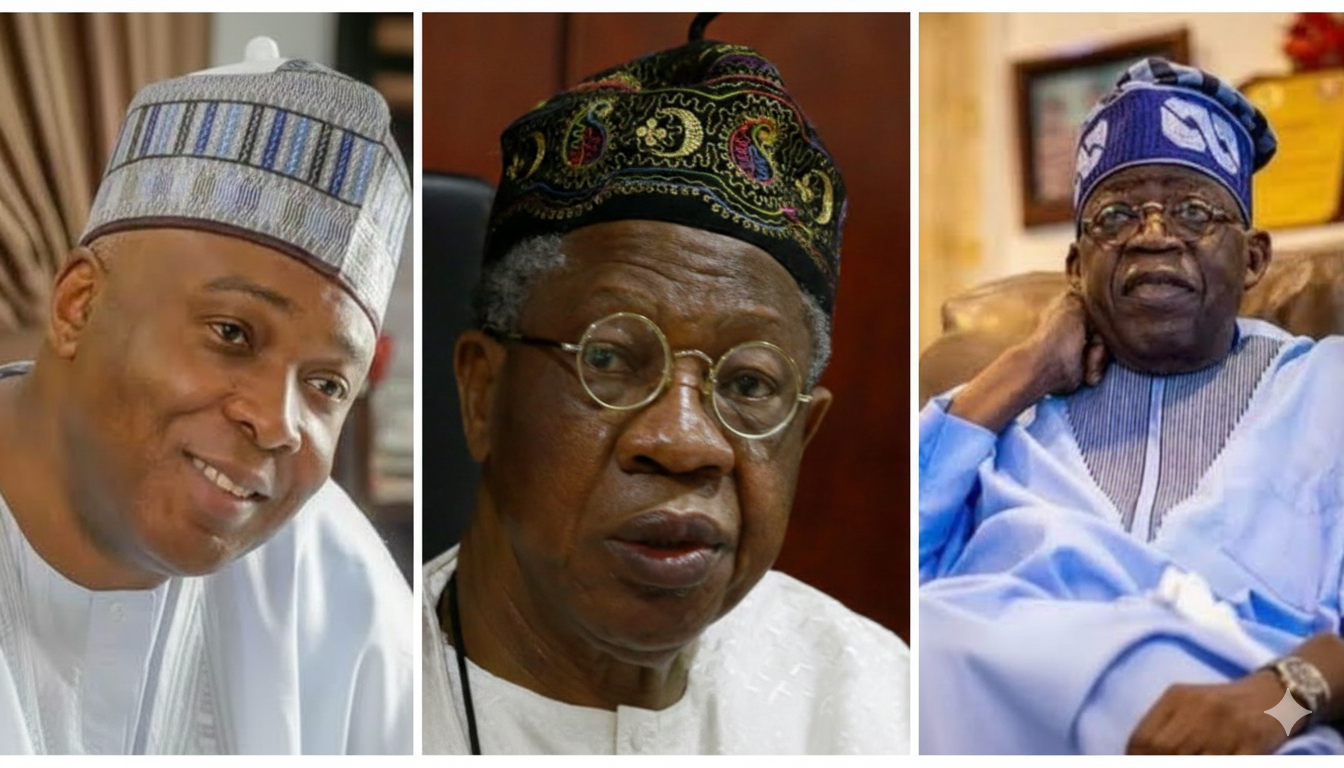
The political trajectory of Bukola Saraki is a masterclass in ambition meeting a superior strategy. As heir to the legendary Dr. Olusola Saraki, Bukola’s rise was defined by his 2011 defiance of his father’s plan to install his sister as Governor. By seizing the state’s political structure, he earned a grudging blessing from the patriarch, who declared, “Today I am fulfilled. My son prevailed against me. So I can now go home. I have a son who can handle things.”
However, total control brought the pitfalls of high-handedness. As the new godfather of Kwara, Saraki’s reign was increasingly marked by systemic neglect at the grassroots. While he maneuvered in Abuja, communities like Patigi suffered with dilapidated schools and unpaid civil servants, who were often told, “It’s not my fault. Senator Bukky hasn’t come back from Abuja. So not even the Governor has authority to do anything.”
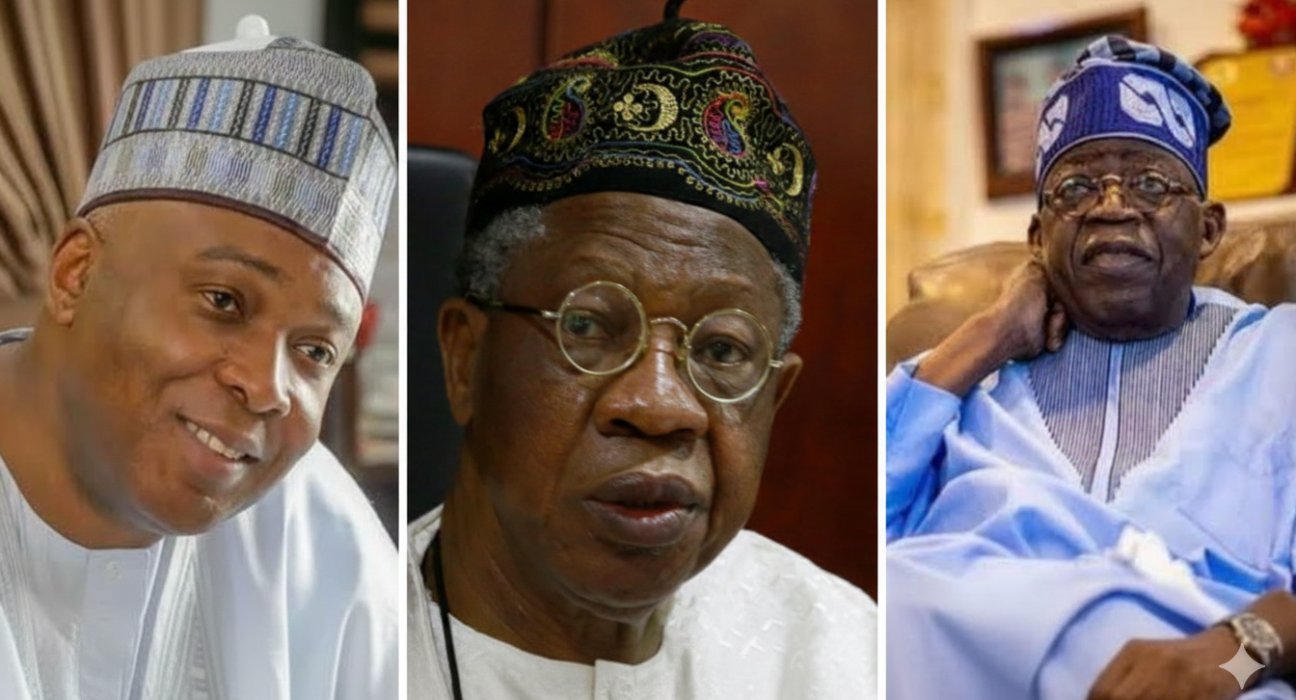
This local dissatisfaction set the stage for a national gamble. Saraki led a PDP faction into the APC coalition in 2015, eyeing the Senate Presidency. Though he was a master of the game, he met his match in Bola Ahmed Tinubu. Sensing Saraki would eventually block his own 2023 presidential goals, Tinubu lobbied President Buhari to support Ahmed Lawan for the seat instead.
Undeterred, Saraki executed a daring political manouver by aligning with the PDP caucus to hijack the Senate leadership. This move caught the “Jagaban” off guard, dealing him a stinging political black eye. Tinubu, however, like the political infantry man he is, met the loss with calculated silence, opting to move behind the scenes to prepare a devastating counter-offensive that would strike at the very foundation of Saraki’s power base.
The instrument of Saraki’s undoing was Lai Mohammed, Tinubu’s former Chief of Staff and a veteran master of political communication. Empowered as a Minister, Mohammed was tasked with returning to Kwara to dismantle the Saraki dynasty. Known as a relentless propagandist, he was the ideal choice to channel local resentment into a potent, organized political weapon against the incumbent order.
The resulting “O To Ge” (Enough is Enough) campaign became a grassroots tsunami. Mohammed’s team mobilized a weary populace and even brought Saraki’s sister, Gbemisola, into the fold to campaign against her brother. This movement was more than a political shift; it was a total rejection of the Saraki name, fueled by years of frustration over poor infrastructure and unpaid wages.
The climax arrived during the 2019 elections, where the “O To Ge” wave swept Bukola Saraki and the PDP establishment from power. In a stunning reversal, the APC won every seat, and the man who once controlled the Senate was left without an army. Consequently, Ahmed Lawan finally ascended to the Senate Presidency, fulfilling the original plan Saraki had disrupted years earlier.
Since that defeat, Saraki has remained in the political wilderness and a shadow of himself. He is not alone; most of the APC figures who aided his 2015 coup have similarly gone into political oblivion, with only a few exceptions like Kwankwaso. This collapse served as a stark reminder that while clever maneuvering can win a temporary battle, only genuine governance can secure a long-term political legacy and sustainance.
Ultimately, Saraki’s story is a cautionary tale of wasted opportunity and the risk of underestimating a master strategist. He possessed the pedigree to lead but neglected the truth that public goodwill is the only real security against one’s enemies. His fall proved that even an entrenched dynasty can crumble when a smarter foe successfully aligns with a people’s cry for change.