Peter Obi Blames Leadership Failures for National Grid Collapse, Power Crisis
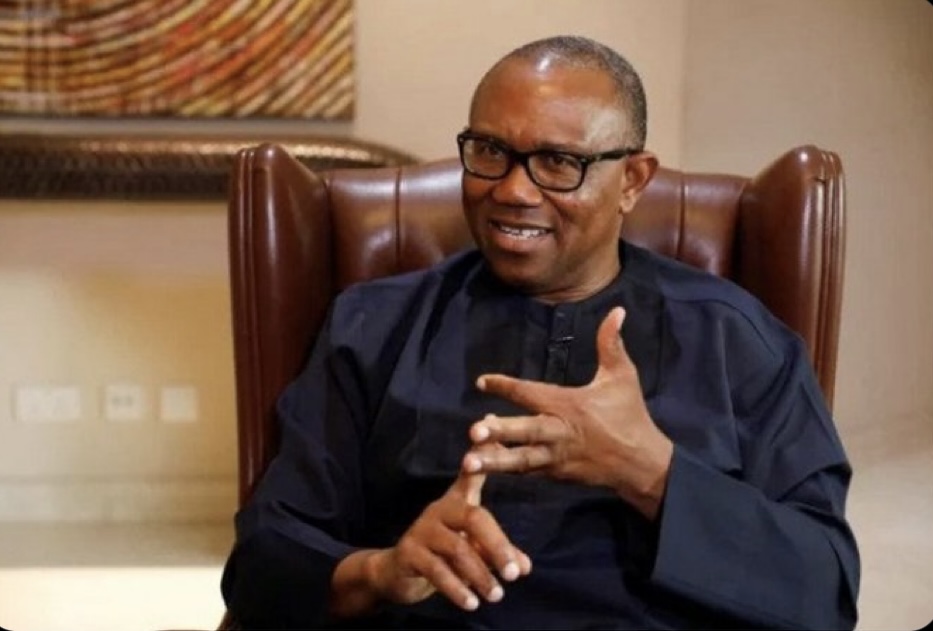
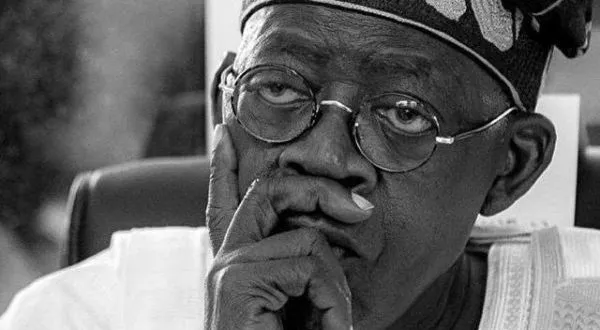
Former Labour Party presidential candidate and ex-Governor of Anambra State, Peter Obi, has attributed Nigeria’s recurring national grid collapse and worsening electricity crisis to what he described as persistent leadership failures, warning that the country’s fragile power sector is undermining economic growth and national development.
Obi made the remarks on Saturday in reaction to the latest nationwide grid collapse recorded in January 2026, describing the incident as a continuation of an alarming trend that has plagued Nigeria’s electricity sector for years. He noted that the first grid collapse of 2025 also occurred in January and was followed by several similar breakdowns throughout the year, suggesting that the problem has become systemic rather than accidental. Describing the situation as a “national shame,” Obi expressed deep concern over Nigeria’s poor electricity access record, revealing that the country has ranked lowest globally in access to electricity for three consecutive years—from 2023 to 2025. According to him, nearly 100 million Nigerians still lack reliable access to power, a situation he said is unacceptable for Africa’s most populous nation and largest economy. The persistent collapse of the national grid reflects deep-rooted leadership failures,” Obi said. “This is not merely a technical issue but a clear sign of poor governance, weak policy execution, and a lack of long-term planning in a sector that is critical to national survival. He criticized Nigeria’s low power generation capacity, which he said averages about 5,000 megawatts despite a population exceeding 240 million people. Obi contrasted this with other African nations, noting that South Africa and Egypt reportedly generate more than 40,000 megawatts each, while Algeria produces over 50,000 megawatts with a significantly smaller population. He described Nigeria’s output as “absurdly low” and a major constraint on productivity, industrial expansion, and job creation. Obi argued that the power crisis continues to stifle small and medium-sized enterprises, discourage foreign direct investment, and slow overall economic growth. He added that many businesses are forced to rely on expensive alternative energy sources such as diesel generators, increasing operational costs and reducing competitiveness. According to him, reliable electricity is a foundation for sustainable development, and without urgent reforms in the power sector, Nigeria will continue to lag behind its peers in industrialization and economic transformation. He further warned that the ongoing energy crisis is a direct threat to national stability, as it affects healthcare delivery, education, manufacturing, and household welfare. Obi called for a comprehensive overhaul of the electricity sector, emphasizing the need for competent leadership, accountability, strategic investment, and transparent governance. Looking ahead to the 2027 general elections, Obi urged Nigerians to prioritize competence, integrity, and empathy when choosing their leaders, arguing that sustainable progress in the power sector—and across other critical areas—depends on leadership that is both technically capable and genuinely committed to public service. As we approach the next election cycle, Nigerians must choose leaders based on competence and compassion. Without credible leadership, we will continue to suffer recurring failures, including being left in darkness,” he said. The latest grid collapse has once again highlighted Nigeria’s fragile power infrastructure, which continues to suffer from ageing equipment, gas supply shortages, vandalism, transmission constraints, and financial challenges across the electricity value chain. Energy experts have warned that without structural reforms and consistent investment, grid instability will persist, further slowing economic recovery and national development. As public frustration grows over frequent blackouts and unreliable electricity supply, calls for urgent and decisive action in Nigeria’s power sector continue to intensify.