
Pentagon to Offer ‘More Limited’ Support to US Allies’ Defence Strategy
Pentagon to Offer ‘More Limited’ Support to US Allies’ Defence Strategy
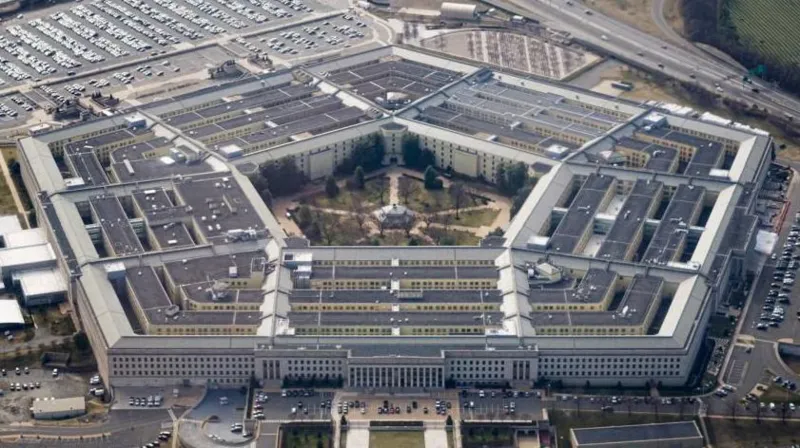
The Pentagon’s 2026 National Defense Strategy marks a seismic shift by officially removing China as the primary “pacing challenge.”
This policy change signals a profound transition in how the U.S. intends to manage its military resources and global power.
The strategy pivots toward an “America First” approach, prioritizing the protection of the U.S. homeland and the Western Hemisphere.
By focusing on immediate regional interests, the U.S. aims to reduce its sprawling global footprint and prioritize domestic security.
A significant aspect of this plan is the reduction of support for long-standing international allies. The Pentagon now foresees a “more limited” role in deterring threats in Eastern Europe and the Korean Peninsula, causing concern among dependent partner nations.
Regarding North Korea, the administration is scaling back U.S. involvement to encourage South Korea and Japan to lead their own defense.
This aligns with the broader goal of de-escalating overseas commitments that do not provide direct benefits to American soil.
In Europe, the strategy moves away from the traditional NATO-centric model, ending the U.S. role as the automatic guarantor of security against Russia. European leaders are now forced to grapple with a world where American military intervention is no longer guaranteed.
Critics warn that withdrawing from these leadership roles will create power vacuums for rivals to fill, potentially eroding U.S. global influence.
Proponents, however, argue this correction is necessary to avoid “forever wars” and the dangers of military overextension.
The de-prioritization of China suggests a desire to find a new equilibrium through economic and diplomatic means rather than military brinkmanship. This reflects the administration’s belief that internal economic strength is more vital than the overseas containment of Beijing.
This isolationist shift was underscored by President Trump’s recent remarks regarding the historical contributions of international allies.
While discussing the war in Afghanistan, he stated: “We’ve never needed them. We have never really asked anything of them. They’ll say, they sent some troops to Afghanistan or this or that, and they did. They stayed a little back, little off the front lines.”