


Greenland, Denmark Abandon Troubled History to Face Trump
Greenland, Denmark Abandon Troubled History to Face Trump
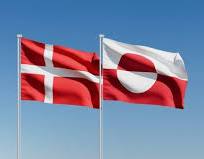
Greenland and Denmark have formed a united front to resist pressure from US President Donald Trump, pausing their long-standing internal tensions. Despite a history of colonial rule and a modern push for autonomy, the two nations are prioritizing collective security.
This alliance responds to renewed American interest in the Arctic, forcing local political factions to set aside their differences for regional stability.
President Trump’s persistent designs on the island acted as a catalyst for this sudden cohesion. While Greenland’s political parties almost universally seek independence, the American threat led them to form a coalition government in March 2025.
This move effectively shelved long-term independence goals to focus on navigating the immediate diplomatic challenges posed by Washington.
This cooperation is significant given Greenland’s deep grievances regarding Denmark’s colonial history, including past injustices like forced family separations and non-consensual birth control programs.
Despite these historical scars, the current political climate has necessitated a pragmatic reconciliation. Both nations are working together to ensure that decisions regarding the island’s future remain strictly under their own control.
The diplomatic response has been highly coordinated, with Greenlandic and Danish officials holding joint high-level meetings in Washington and Brussels.
Their consistent message to US and NATO officials is that Greenland is not for sale and its status is a matter of self-determination. This united stance has made the relationship with Denmark feel less restrictive by securing broader European support.
Experts suggest that while the desire for independence remains central to Greenlandic identity, the scale of American assertiveness has shifted the immediate timeline.
The focus has pivoted from internal separation to maintaining sovereignty over a resource-rich Arctic that is increasingly becoming a strategic prize. Tactical unity has become more important than the long-term project of independence.
Ultimately, this alliance is a marriage of necessity designed to protect the status quo from disruptive foreign interests.
Acknowledging this temporary truce between the former colony and the mainland, specialist Astrid Andersen noted: “Right now I think there’s a general agreement with a few exceptions that the common opponent right now is Trump and we kind of need to face this together somehow.”