



Nigeria’s Solar Market Faces Mixed Prospects in 2026 as Prices Decline
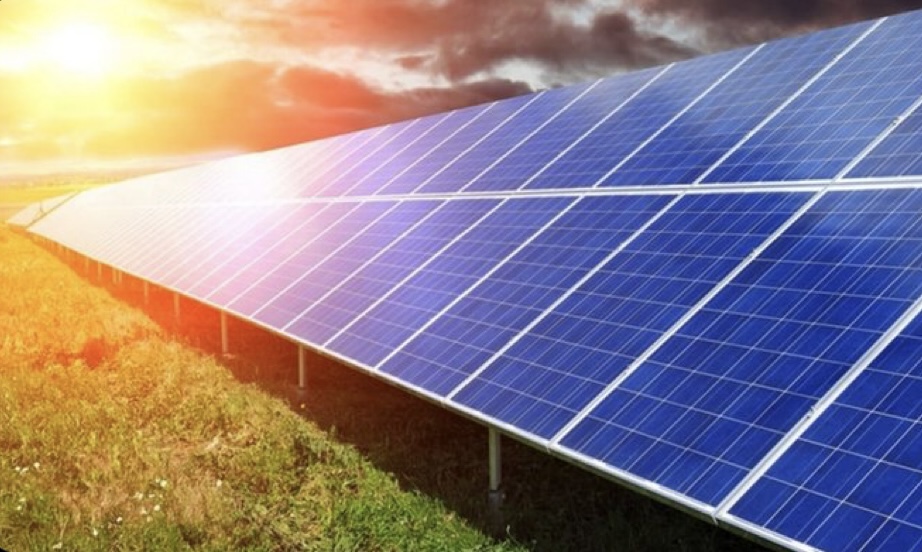
Nigeria’s solar energy sector is heading into 2026 with a mixed outlook, as falling global prices and growing demand present opportunities, while policy uncertainty, financing challenges, and supply chain constraints continue to temper growth.
Industry analysts note that cheaper solar panels and storage solutions are driving adoption, particularly in off-grid and commercial applications, as businesses and households seek alternatives to an unreliable national grid and rising fuel costs. The decline in global solar technology prices has made installations more accessible, but it has also compressed profit margins for developers and suppliers. The country’s solar market is also witnessing a shift toward local production. Several domestic manufacturers, including LPV Technologies, are ramping up production of IEC- and TÜV-certified solar panels, while partnerships with international companies aim to scale output. Local assembly of solar cells is gradually overtaking imports of finished panels, a move intended to create jobs, conserve foreign exchange, and strengthen domestic capacity. Despite these positive trends, the market faces significant hurdles. Weak transmission infrastructure limits large-scale solar integration, while regulatory uncertainty and limited access to financing hinder investor confidence. Heavy reliance on imported components continues, slowing the development of a fully local supply chain. Experts emphasize that 2026 will be a pivotal year for Nigeria’s solar sector. Strategic government support, clear policies, and innovative financing solutions will be critical to sustaining growth and achieving broader adoption across residential, commercial, and industrial sectors. As Nigeria continues its energy transition, the solar market remains a key avenue for clean, reliable, and cost-effective power — but its trajectory will depend on balancing falling costs with strong local capacity and enabling policies.