

One-Party State Not Possible in Nigeria, Gambari Declares
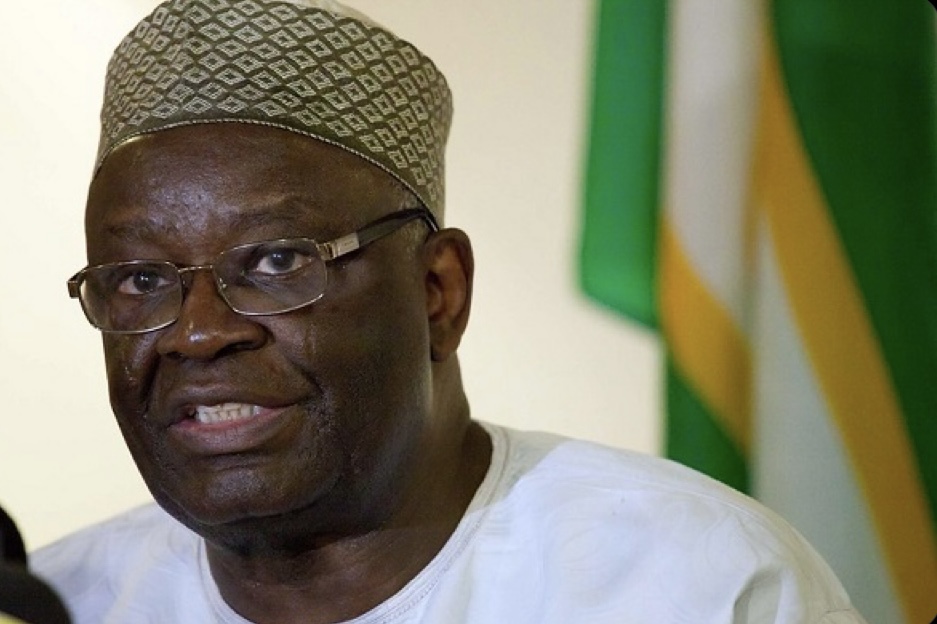
Former Chief of Staff to late President Muhammadu Buhari and founder of the Savannah Centre for Diplomacy, Democracy and Development (SCDDD), Ibrahim Gambari, has ruled out the possibility of Nigeria becoming a one-party state, dismissing opposition fears ahead of the 2027 general elections.
Gambari made the statement in Abuja during a media interactive session on the activities of his 11-year-old policy and research centre, which focuses on diplomacy, democracy, governance, advocacy, and leadership development. Addressing concerns raised by opposition parties over an alleged drift toward political monopoly, Gambari said Nigeria’s democratic history, political diversity, and institutional framework make the emergence of a one-party system highly unlikely. I’m not at all worried about this country becoming a one-party state. You can quote me. It will not happen if history is any guide. We don’t even know our own history,” he said. Reflecting on Nigeria’s political evolution, Gambari noted that dominant political parties have existed in various periods but none has been able to permanently suppress opposition or eliminate multiparty competition. He argued that Nigeria’s political system has consistently demonstrated resilience, with power shifting in response to voter expectations and political performance. According to him, the rise and fall of dominant parties over time underscores the strength of Nigeria’s democratic culture and the electorate’s ability to demand change when governance falls short. Gambari also urged opposition parties to focus less on fear and more on rebuilding their structures, improving internal democracy, strengthening leadership credibility, and offering clear policy alternatives that resonate with Nigerians. He stressed that the survival of democracy depends not only on political parties but also on the effectiveness of institutions such as the electoral commission, the judiciary, civil society organizations, the media, and active citizen participation. During the event, Gambari highlighted the contributions of the Savannah Centre for Diplomacy, Democracy and Development in promoting democratic dialogue, policy research, leadership training, and peaceful political engagement in Nigeria and beyond. His remarks come amid growing political maneuvering, defections, and coalition talks ahead of the 2027 elections, as debates continue over electoral reforms and the balance of power among political parties. Despite rising concerns about political dominance, Gambari maintained that Nigeria’s pluralistic political culture, historical experience, and institutional safeguards make the prospect of a one-party state unrealistic.