

Nigeria’s Stabilisation Efforts Boost Sub-Saharan Africa Growth Outlook, Says IMF
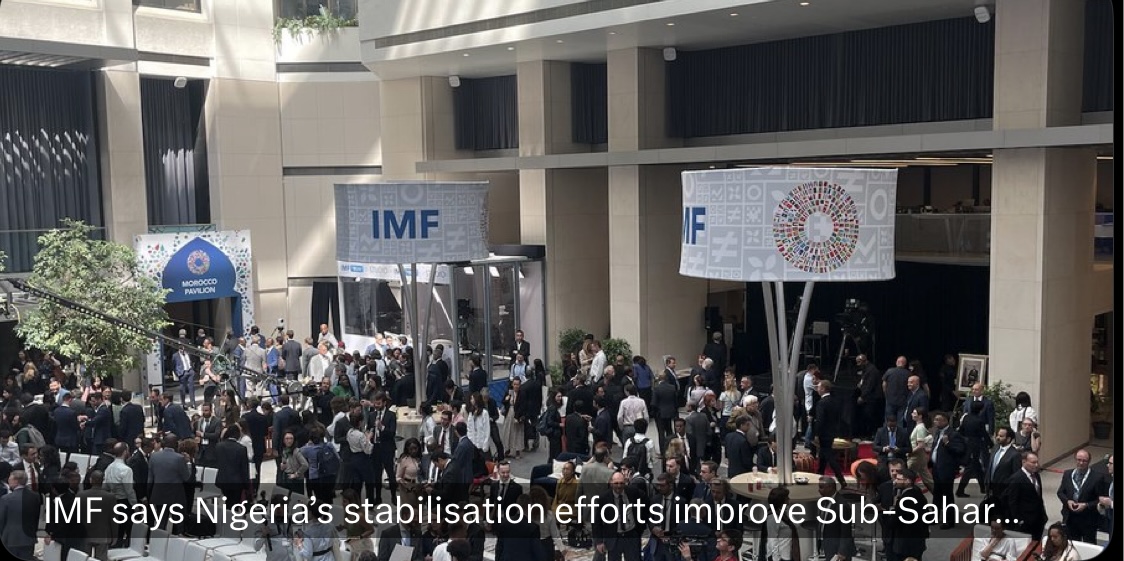
The International Monetary Fund (IMF) has praised Nigeria’s ongoing macroeconomic stabilisation efforts, noting that they are beginning to deliver tangible results and contributing to a more optimistic growth outlook for Sub-Saharan Africa.
The IMF’s assessment comes as part of its January 2026 World Economic Outlook Update, which highlighted improved economic performance in key African economies, with Nigeria positioned as a major driver of regional growth. According to the IMF, Nigeria’s coordinated fiscal and monetary policies have created a more predictable and stable macroeconomic environment, fostering investor confidence and supporting economic activity. As a result, the Fund has revised Nigeria’s growth forecast for 2026 upward to 4.4 percent, an increase from earlier projections of 4.2 percent. The improvement reflects the impact of broad-based reforms, including fiscal discipline, exchange rate adjustments, and measures to tighten monetary conditions, which together have strengthened economic stability. The IMF report also points to Sub-Saharan Africa’s overall growth outlook improving, with the region now expected to grow by 4.4 percent in 2025 and about 4.6 percent in both 2026 and 2027. Analysts attributed this upward revision to a combination of stronger macroeconomic fundamentals in major economies such as Nigeria, South Africa, and Ethiopia, as well as favourable commodity prices for key exports like gold, copper, and coffee. Nigeria’s stabilisation efforts are beginning to pay off and are contributing positively to regional growth prospects,” the IMF said in the report. The Fund highlighted that policy reforms in Nigeria have helped reduce macroeconomic uncertainties, making the country more attractive to investors and supporting overall economic activity. The report also noted that while the outlook for the region has improved, significant risks remain, particularly for low-income and fragile economies. Factors such as potential reductions in international development assistance, global financial tightening, and persistent structural challenges could undermine growth if not properly managed. Nigeria’s macroeconomic reforms, which have been actively monitored by the IMF, include initiatives to stabilise the foreign exchange market, control inflation, and strengthen fiscal discipline. Independent analysts say these measures have started to yield results, with inflation showing signs of moderation and the economy gradually regaining momentum. Finance experts note that Nigeria’s role in the region is crucial. As the largest economy in Sub-Saharan Africa, the country’s economic trajectory has a direct impact on regional growth forecasts. The IMF’s updated projections reflect the belief that sustained reforms in Nigeria, combined with improved conditions in other key African economies, can drive stronger overall growth for the continent. Despite the encouraging signs, IMF officials emphasized the need for continued reforms and policy vigilance. The Fund cautioned that any reversal of macroeconomic policies or failure to address structural challenges could slow progress, especially in vulnerable sectors and regions. The IMF’s report signals a turning point for Nigeria’s economy after years of volatility. By successfully implementing stabilisation measures and demonstrating commitment to structural reforms, Nigeria is not only improving its domestic economic outlook but also contributing to a more positive growth trajectory for the wider Sub-Saharan African region.