

FG to Integrate Islamic Finance Standards into Nigeria’s Reporting System

FG to Integrate Islamic Finance Standards into Nigeria’s Reporting System

The Federal Government, through the Financial Reporting Council of Nigeria (FRCN), is set to integrate Islamic finance standards into the national reporting system.
By adopting the Accounting and Auditing Organisation for Islamic Financial Institutions (AAOIFI) standards, the government aims to provide a robust regulatory framework for the country’s expanding non-interest banking sector.
This move seeks to attract domestic and foreign investment by addressing technical gaps in conventional reporting.
By harmonizing local practices with global Islamic finance benchmarks, Nigeria intends to provide better clarity for unique instruments like Sukuk and Takaful, ensuring the country remains a competitive destination for ethical and alternative investments.
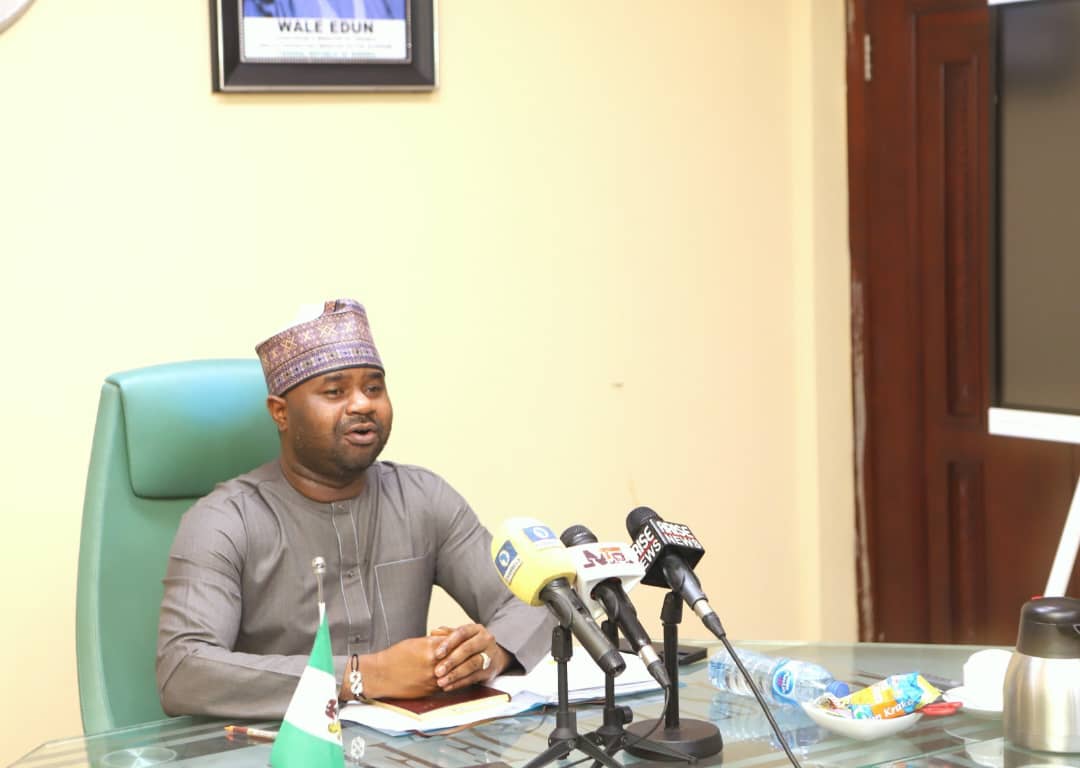
Dr. Rabiu Olowo, Executive Secretary of the FRCN, described the integration as a vital step for Nigeria’s economic evolution.
He emphasized that as non-interest finance grows, specialized regulations are essential to maintain system integrity. This initiative reflects the government’s commitment to an inclusive financial environment where diverse models can thrive under unified oversight.
Regarding the importance of this policy shift, Dr. Rabiu Olowo stated “The Federal Government, through the Financial Reporting Council of Nigeria (FRCN), is set to integrate Islamic finance standards into the national reporting system.
By adopting the Accounting and Auditing Organisation for Islamic Financial Institutions (AAOIFI) standards, the government aims to provide a robust regulatory framework for the country’s expanding non-interest banking sector.”
This move seeks to attract domestic and foreign investment by addressing technical gaps in conventional reporting. By harmonizing local practices with global Islamic finance benchmarks, Nigeria intends to provide better clarity for unique instruments like Sukuk and Takaful, ensuring the country remains a competitive destination for ethical and alternative investments.
Dr. Olowo, Executive Secretary of the FRCN, described the integration as a vital step for Nigeria’s economic evolution. He emphasized that as non-interest finance grows, specialized regulations are essential to maintain system integrity. This initiative reflects the government’s commitment to an inclusive financial environment where diverse models can thrive under unified oversight.
Ultimately, these standards support Nigeria’s goal of reaching a $1 trillion economy by focusing on real-asset-backed transactions. Prominent stakeholders have lauded the decision, noting that streamlined reporting will boost investor confidence and infrastructure funding.
This transition positions Nigeria as a primary hub for Islamic finance across the African continent.
Ultimately, these standards support Nigeria’s goal of reaching a $1 trillion economy by focusing on real-asset-backed transactions. Prominent stakeholders have lauded the decision, noting that streamlined reporting will boost investor confidence and infrastructure funding.
This transition positions Nigeria as a primary hub for Islamic finance across the African continent.