


Sanwi-olu Defends Makoko Demolition, Announces Palliative
Sanwi-olu Defends Makoko Demolition, Announces Palliative
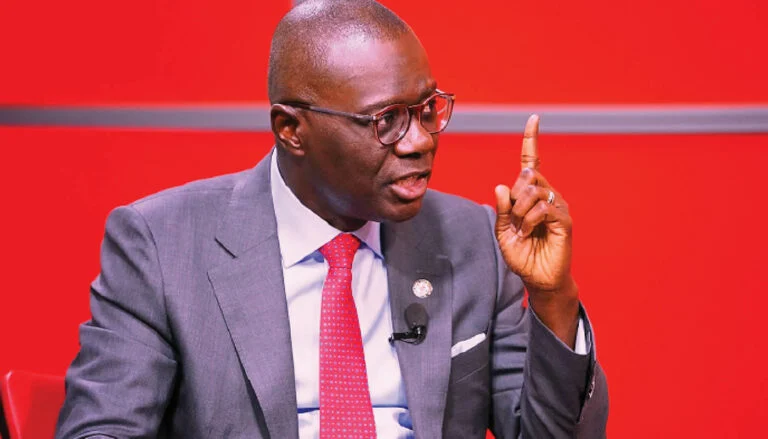
Lagos State Governor, Babajide Sanwo-Olu has officially defended the ongoing demolition of structures in the Makoko waterfront community, describing the exercise as a proactive measure to prevent potential disasters.
Speaking on Monday after signing the 2026 Appropriation Bill into law, the governor emphasized that the primary motivation for the exercise was the safety of lives and property.
He noted that the government could not afford to wait for a tragedy to occur before taking action.
The governor explained that the demolitions specifically target shanties built under high-tension power lines and those encroaching on the Third Mainland Bridge corridor. He drew a comparison to a recent incident where a fuel tanker spilled its contents on a bridge, leading to crowds scooping fuel; he argued that the government must intervene in Makoko to prevent similar life-threatening situations.
According to Sanwo-Olu, allowing residents to live directly beneath high-voltage cables is a calamity waiting to happen.
Sanwo-Olu also addressed the backlash from various non-governmental organizations (NGOs), accusing some of them of exploiting the situation for financial gain. He alleged that certain groups use the plight of the residents to solicit international grants while spreading falsehoods about the government’s intentions.
He asserted that the state has been engaging with the community for over two years and will soon present evidence to counter the claims made by these organizations.
Despite the firm stance on the necessity of the clearance, the governor acknowledged the hardship faced by the displaced residents. To mitigate the impact, he announced that he has directed the relevant ministries and local government authorities to roll out palliative measures.
These interventions are intended to provide immediate relief and support to those whose livelihoods and shelters have been affected by the enforcement of the safety setbacks.
The demolition exercise, which began in late 2025, has been a source of significant tension between the state and the waterfront community. Residents and activists have previously staged protests, claiming that the government exceeded the agreed-upon 100-metre safety limit.
They argued that the clearance has gone deeper into the community than promised, leading to the destruction of homes and schools and causing a humanitarian crisis for thousands of low-income earners.
The state government remains resolute, however, maintaining that the exercise is part of a broader urban regeneration plan to transform Lagos into a true megacity.
Officials insist that similar enforcement actions have been carried out in other parts of the state, such as Oworonshoki and Eti-Osa, to ensure compliance with urban planning laws. The governor concluded by reiterating that his administration’s focus remains on protecting the overall interests of the citizenry through lawful and necessary regulations.