Lai Mohammed Urges Government to Prioritise Tourism as Alternative Revenue Source
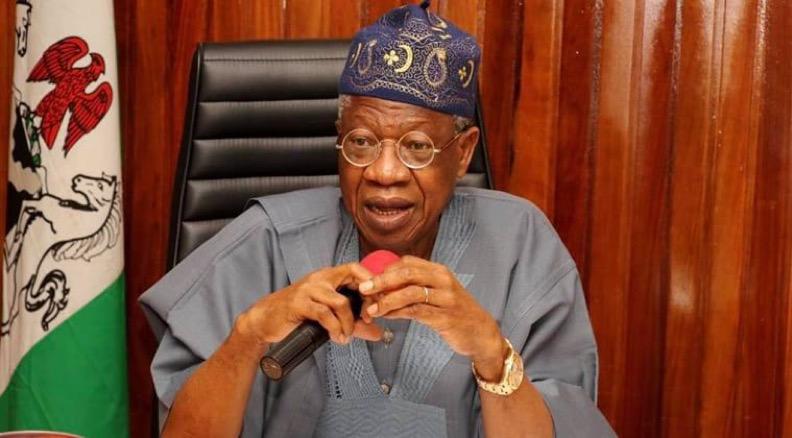
Former Minister of Information and Culture, Lai Mohammed, on Sunday in Abeokuta called on federal and state governments to give greater priority to tourism development, describing the sector as a dependable alternative source of national revenue.
He made the appeal during an interactive session at the event tagged Experience Olumo: Celebrating Heritage, Inspiring Tourism, held at the Olumo Rock Tourist Complex, Ogun State, where stakeholders gathered to discuss strategies for expanding Nigeria’s tourism potential.
Addressing participants, Mohammed stressed that tourism remains largely underutilised in Nigeria despite its capacity to generate jobs, attract foreign exchange, and enhance the country’s global image.
He argued that deliberate government support and strong private sector involvement are essential for the industry to thrive.
“What we need is for both state and federal governments to give more incentives to investors in tourism and the creative industry. You can never go wrong,” he said.
The former minister maintained that the private sector alone cannot drive tourism growth without adequate infrastructure and supportive policies from government. He pointed to the absence of modern facilities as a major limitation to Nigeria’s competitiveness in global tourism.
“As we speak, there is no single purpose-built event centre in Nigeria. Davido plays to 20,000 at the O2 Arena. Is there anywhere in Nigeria that can take 20,000? The answer is no,” he said.
Mohammed urged policymakers to focus on Nigeria’s cultural heritage as a major attraction point, noting that while the country may not possess the natural wonders of some African nations, it holds an advantage in festivals and traditions.
“Tourism is not just about destinations. We can’t compete with East Africa; they have safari. We can’t compete with Southern Africa; they have Kilimanjaro and waterfalls. What they don’t have is our culture and festivals. Imagine what the UK would do with an Ojude Oba festival?” he asked.
He further advised governments to adopt modern technology and digital platforms to promote tourism more effectively, adding that such platforms should be properly managed and strategically utilised to project Nigeria’s cultural assets to the world.
According to him, successful tourism development must begin at the grassroots level, with local governments and communities actively involved in preserving and promoting their cultural resources.
Also speaking at the event, the Senior Special Assistant to Ogun State Governor on Culture and Tourism, Mr. Bola Basibo, explained that the state government is working to reposition tourism as a major economic driver. He highlighted the recent renovation of Olumo Rock as evidence of Governor Dapo Abiodun’s commitment to the sector.
“The governor is determined to make Olumo Rock the foremost tourism site. Beyond rock climbing, discussions about tourism, culture, and history will take place here,” Basibo said.
He noted that Ogun State possesses unique historical and cultural attractions that give it an edge in tourism development.
“Ogun has cultural elements that other states do not. We are not just talking; we are walking the talk by showcasing our identity and history,” he added.
The Director-General of the Nigeria Tourism Development Authority, Mr. Ola Awakan, also emphasised the importance of private sector investment in sustaining tourism initiatives.
“We need more private sector involvement. That is the only way to enhance sustainability and consistency in promoting our tourism assets,” Awakan said.
He commended the improvements made at the Olumo Rock Tourist Centre and expressed readiness to collaborate with its management.
“Moving forward, we will work with Olumo Rock management to replicate this global standard across other underdeveloped tourist centres in Nigeria,” he said.
Awakan observed that increased tourist activities during festive periods have had positive economic effects on host communities and called for similar upgrades in other parts of the country.
“Olumo Rock is getting there. The level is better, and this development can be replicated across the country,” he added.
Ogun State Commissioner for Culture and Tourism, Mr. Sesan Fagbayi, described the ongoing transformation of tourist sites as proof that the sector can generate substantial income.
“What we are generating now shows clearly that tourism and culture are the way to go. Reviving more sites will generate more revenue,” he said.
Fagbayi disclosed that the state government is actively pursuing partnerships with private investors to expand and properly manage additional tourist locations.
“With the governor’s commitment, we are pushing for partnerships so sites can be fully developed and managed, enabling the state to rely more on tourism revenue,” he said.
The discussions at the Abeokuta event underscored growing consensus among stakeholders that with improved infrastructure, stronger collaboration, and supportive policies, tourism can become a strategic pillar of Nigeria’s economic development.