



CBN Sees Bank Reforms Powering Capital Market Rally
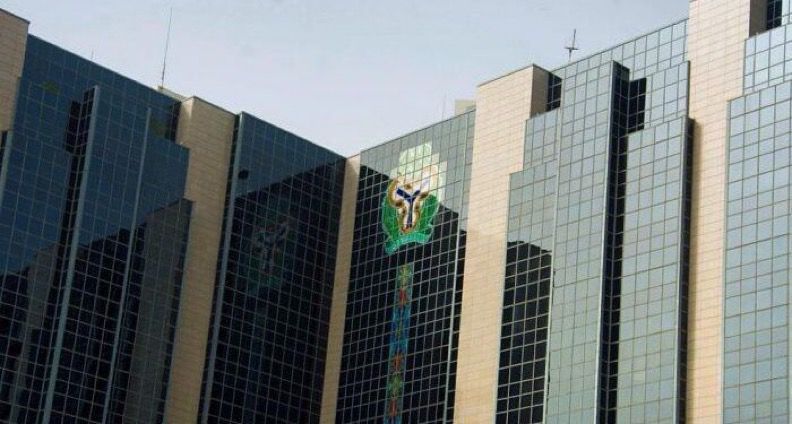
Nigeria’s capital market is expected to sustain a positive momentum in 2026, with reforms in the banking sector emerging as a major catalyst, according to projections by the Central Bank of Nigeria (CBN).
In its latest report titled “Macroeconomic Outlook for Nigeria, 2026: Consolidating Macroeconomic Stability Amid Global Uncertainty”, the apex bank expressed optimism that the ongoing bank recapitalisation programme, combined with improving investor sentiment and supportive policy actions, would continue to underpin market performance.
The CBN explained that the recapitalisation drive would leave banks with stronger balance sheets and improved resilience, creating room for deeper market participation and increased financial sector stability.
These factors, it noted, are expected to translate into sustained activity and growth in the capital market throughout 2026.
Beyond the capital market, the bank projected a stronger economic expansion, estimating Nigeria’s gross domestic product growth at 4.49 per cent in 2026, compared with 3.89 per cent recorded in 2025.
This growth outlook is linked to ongoing structural reforms across the economy and a monetary policy environment expected to ease gradually.
Inflationary pressures are also forecast to moderate. The CBN anticipates headline inflation to average 12.94 per cent in 2026, reflecting expected reductions in food prices and lower costs of premium motor spirit.
These improvements are attributed to enhanced domestic refining capacity and better supply dynamics.
Within the financial system, the report noted that monetary aggregates decelerated in 2025 as a result of tight policy conditions.
However, it added that a carefully sequenced policy easing, alongside strengthened prudential measures, would help preserve credit discipline while supporting financial stability in 2026.
The recapitalisation initiative is also expected to boost banks’ ability to finance private-sector-led economic activities.
On the external sector, the CBN projected further strengthening, with foreign exchange reserves expected to rise to $51.04 billion in 2026. This outlook is supported by anticipated growth in exports, stable diaspora remittance inflows and higher oil and gas production.
The current account surplus is also forecast to expand to $18.81 billion.
Nevertheless, the apex bank warned that the outlook is not without risks. It identified potential inflationary pressures, volatility in global financial markets, geopolitical developments and possible disruptions to crude oil output as key downside factors.
Despite these challenges, the CBN reaffirmed its commitment to maintaining a balance between price stability and economic growth, stressing that appropriate policy measures would be deployed to attract foreign investment, support exchange rate stability and reinforce confidence in Nigeria’s financial markets.