

US Strikes, Global Intervention on Insecurity Came Late, Says Sowunmi
A former spokesperson of the Peoples Democratic Party (PDP) presidential campaign council, Segun Sowunmi, has said recent United States airstrikes and broader international intervention in Nigeria’s worsening insecurity came far too late, arguing that earlier global action could have reduced the scale of violence now confronting the country.
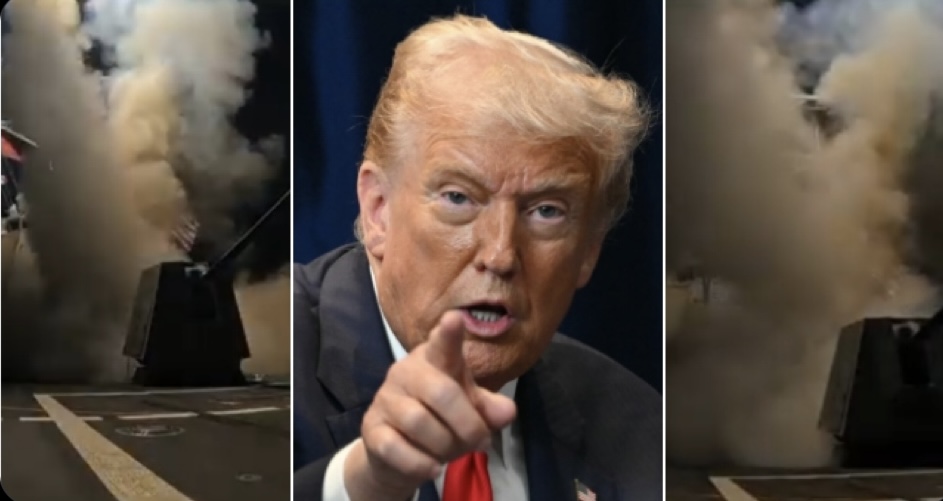
Sowunmi made the remark while reacting to recent US-backed airstrikes targeting terrorist camps linked to the Islamic State in parts of northern Nigeria. He acknowledged that the strikes may help weaken insurgent networks but insisted that Nigeria had been left to battle terrorism alone for too long despite clear warning signs and the transnational nature of the threat. According to him, insecurity in Nigeria has evolved beyond a domestic challenge, spreading across borders from the Sahel and becoming a global security issue that should have attracted earlier and more coordinated international response. Sowunmi questioned why countries with advanced intelligence, surveillance technology and military capacity failed to act decisively when extremist groups were gaining strength in the region. The world came in late,” he said, stressing that the prolonged delay allowed terror networks to entrench themselves, expand their operations and inflict severe humanitarian and economic damage on local communities. The recent airstrikes, reportedly carried out with the knowledge and coordination of Nigerian authorities, targeted militant camps believed to be linked to Islamic State affiliates operating across Nigeria and neighbouring countries. Officials say the operation was aimed at degrading terrorist capabilities and disrupting cross-border attacks, with assurances that civilian casualties were avoided. The strikes have, however, sparked intense debate across Nigeria. While some political leaders and security analysts welcome foreign assistance as a necessary boost to Nigeria’s counterterrorism efforts, others have raised concerns about national sovereignty, long-term dependency on external forces, and the motives behind foreign military involvement. The Federal Government has maintained that Nigeria remains in control of its security strategy and that cooperation with international partners is based on intelligence sharing and mutual interest in combating terrorism. Officials insist that such collaboration does not undermine the country’s sovereignty but complements ongoing efforts by Nigerian security forces. Sowunmi, while not opposing international cooperation, argued that airstrikes alone cannot resolve Nigeria’s insecurity. He called for a comprehensive approach that combines military action with political stability, economic inclusion, and strong governance, warning that without addressing the root causes of violence, insecurity will persist despite foreign intervention. As Nigeria continues to grapple with insurgency, banditry and kidnappings, the debate over the timing, role and impact of global intervention remains central to the country’s search for lasting peace and security.