


Port Harcourt Refinery Still Releases Diesel Months After Shutdown, Regulator Confirms
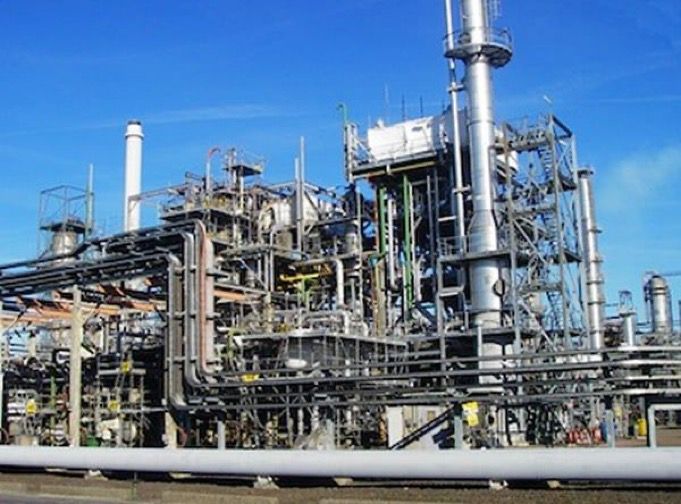
Despite remaining idle for over seven months, the Port Harcourt Refining Company continues to release diesel into Nigeria’s downstream market, according to fresh figures published by the Nigerian Midstream and Downstream Petroleum Regulatory Authority (NMDPRA).
Data from the regulator shows that an average of 349,000 litres of automotive gas oil (diesel) is still being evacuated daily from the facility, even though the refinery has not been operational since it was shut down for maintenance on May 24, 2025, by the Nigerian National Petroleum Company Limited (NNPC).
The NMDPRA clarified that the ongoing supply does not stem from current refining activities but from products processed before operations were halted. In its latest update, the agency stated:
“No production activities as the (Port Harcourt) refinery remained in shutdown mode. However, evacuation of AGO produced while the refinery was operational before 24th May 2025 continued at an average of 0.349 million litres/day.”
The prolonged shutdown contrasts sharply with earlier assurances from NNPC officials. Prior to the maintenance stoppage, the company’s then Chief Corporate Communications Officer, Olufemi Soneye, had indicated that the exercise would last only one month. However, more than half a year later, the refinery has yet to restart fuel production.
The Port Harcourt plant had only recently been declared operational in November 2024 after years of inactivity. At the time, the former NNPC Group Chief Executive Officer, Mele Kyari, announced that the 60,000-barrels-per-day facility was running at about 70 per cent capacity following extensive rehabilitation.
Projections then suggested strong output levels, including diesel, fuel oil, petrol, kerosene and naphtha, with hundreds of fuel trucks expected to supply the domestic market daily.
Those expectations were short-lived. Within six months of the relaunch, the refinery was shut once again, mirroring the experience of the Warri Refining and Petrochemical Company, which was reopened in December but closed barely a month later.
Upon assuming office, the current NNPC Group Chief Executive Officer, Bayo Ojulari, said an internal review revealed that continued operation of the Port Harcourt refinery was financially unsustainable.
He disclosed that the facility was incurring massive monthly losses before rehabilitation works were paused.
Ojulari explained the decision to halt operations, saying; “When I resumed, one of the first priorities I focused on was the refinery. I did a quick review to see if we could quickly fix it.
What I found is that we were losing between $300m and $500m on a monthly basis. The first thing we said was, ‘Rather than continue to lose, let’s quickly stop and look for a way to put this refinery into a sustainably profitable venture.’”
Amid the uncertainty surrounding Nigeria’s state-owned refineries, industry stakeholders have renewed calls for reform.
The Petroleum Products Retail Outlets Owners Association of Nigeria has urged the Federal Government to privatise the country’s four government-owned refineries, arguing that private sector participation would end recurring losses, boost efficiency and attract much-needed investment.
The group has proposed that the process be concluded transparently by the first quarter of 2026.
However, Ojulari has previously opposed outright sale of the facilities, maintaining that ongoing technical and commercial reviews are aimed at repositioning the refineries as viable, revenue-generating assets capable of meeting domestic fuel demand and operating in line with global standards.
For now, the continued evacuation of diesel from stored stocks highlights the complex state of Nigeria’s refining sector, as authorities weigh reform options against mounting operational and financial challenges.