



US Resumes Surveillance of Sambisa Forest After Sokoto Air Strikes
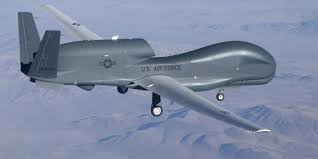
The United States has resumed intelligence and surveillance flights over the Sambisa Forest in northeast Nigeria, reinforcing ongoing counter-terrorism cooperation with Nigerian security authorities in the wake of recent air strikes on militant camps in Sokoto State.
The renewed missions, conducted with specialised reconnaissance aircraft, are aimed at tracking the movements and activities of extremist factions believed to operate within the Sambisa axis and across the wider Lake Chad corridor.
The surveillance effort follows coordinated precision air strikes that targeted ISIS-linked fighters in the Bauni forest area of Sokoto. The operation, which was carried out with Nigerian approval under a joint security framework, was intended to disrupt militant infiltration routes and degrade the capacity of armed cells believed to be linked to broader regional terror networks.
Officials have indicated that early assessments point to significant logistical losses among the targeted groups, while monitoring continues to determine the full impact of the strikes.
Sambisa Forest has long been regarded as a strategic hideout for insurgent elements due to its vast and difficult-to-access terrain. The renewed aerial presence is expected to support intelligence gathering, guide future security operations, and strengthen situational awareness in areas where ground access remains limited. Security analysts say the move reflects a heightened focus on both the northeast and northwest theatres, where militant mobility and cross-border movements have posed persistent challenges.
Nigerian authorities have emphasised that the ongoing cooperation with the United States is centred on intelligence sharing, coordinated surveillance, and targeted actions designed to curb the activities of extremist groups while upholding national sovereignty. With surveillance flights now back over Sambisa, attention is turning to how the combined efforts may shape upcoming counter-insurgency operations and influence security dynamics across the affected regions.