
Atiku Urges Tinubu to Enforce Supreme Court Ruling on Local Government Autonomy
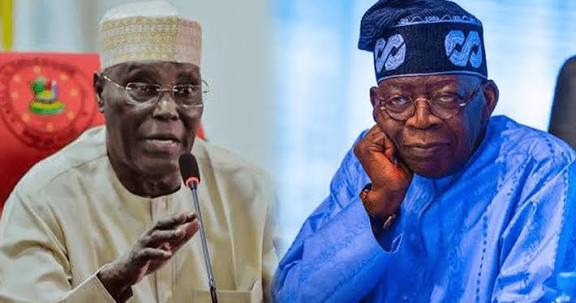
Former Vice President Atiku Abubakar has called on President Bola Ahmed Tinubu to immediately enforce the Supreme Court judgment granting financial autonomy to local government councils, accusing the Federal Government of deliberately refusing to comply with a constitutional directive intended to strengthen grassroots governance.
In a strongly worded statement, Atiku said the continued non-implementation of the ruling undermines the authority of the judiciary and threatens Nigeria’s democratic framework.
He argued that Supreme Court decisions are final and binding, and that any hesitation or selective enforcement by the executive branch amounts to a violation of the Constitution and the President’s oath of office.
The landmark judgment directed that allocations from the Federation Account must be paid directly to the 774 local government councils, rather than being routed through state governments.
The ruling was widely viewed as a major step toward curbing the longstanding practice in which state governments retain or control local government funds, often leaving councils without the financial capacity to operate independently.
Atiku claimed that the refusal to enforce the decision has had serious economic and social consequences at the grassroots level.
According to him, many local governments remain unable to fund basic community projects, pay workers regularly, maintain rural roads or sustain primary healthcare and environmental services.
He described the situation as “a deliberate policy failure” that has deepened hardship among ordinary citizens.
The former presidential candidate also alleged that politics is at the heart of the delay. He accused the Federal Government of using the judgment as leverage in power negotiations with state authorities, suggesting that compliance has been slowed to secure political advantage rather than promote national interest.
Atiku urged President Tinubu to direct the Attorney-General of the Federation to ensure immediate compliance with the ruling, insisting that no further administrative processes or consultations are required.
He maintained that the government’s responsibility is to execute the judgment as delivered, not reinterpret or postpone it.
The development has reignited long-running debates over the structure of Nigeria’s federal system and the fate of the local government tier, which many analysts describe as the weakest link in the governance chain despite its proximity to citizens.
Advocates of autonomy argue that direct funding would improve accountability, reduce corruption and promote meaningful development at the community level.
However, some state governments have expressed reservations, insisting that restructuring of responsibilities and constitutional adjustments must accompany any new funding model.
As discussion around the ruling intensifies, political observers say the issue has become a significant test of the administration’s commitment to judicial independence, constitutional order and democratic reforms at the grassroots.