
U.S. Ambassador Punctures Bias Religious Claim in $5bn Nigeria–U.S. Health Deal
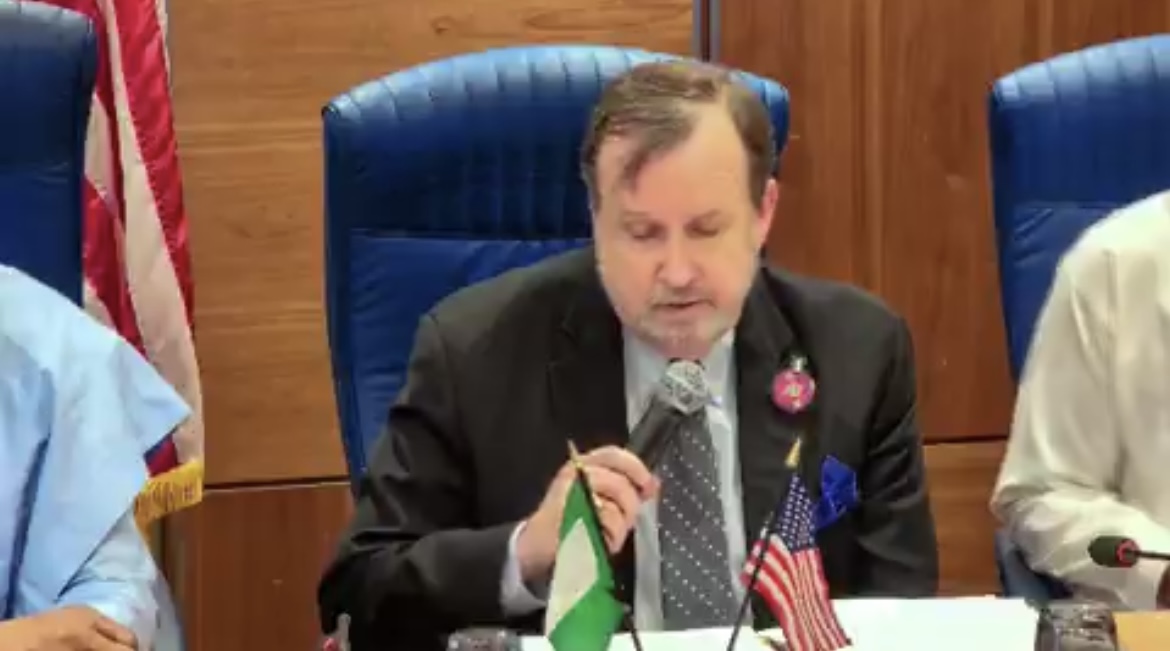
The United States Ambassador to Nigeria, Richard Mills Jr., has firmly rejected claims that the newly announced $5 billion Nigeria–U.S. Government Health Partnership is designed to favour Christian groups or exclude any religious community.
Speaking amid rising public debate and social media speculation, Ambassador Mills described the reports as false and misleading, stressing that the health intervention is strictly inclusive and inter-faith. According to the U.S. envoy, the partnership involves both Islamic and Christian health service providers, as well as secular institutions, with the sole objective of strengthening Nigeria’s healthcare system and improving health outcomes for all citizens, regardless of religious affiliation. This programme has no religious bias. It is about public health, not faith,” Mills said, adding that U.S. support is targeted at saving lives, expanding access to quality healthcare and building resilient health systems across Nigeria. The multi-year health partnership focuses on critical areas such as maternal and child health, infectious disease control, primary healthcare delivery, health security, and workforce development. Officials say it builds on decades of cooperation between Nigeria and the United States in health financing and technical support. The clarification comes after some groups and commentators raised concerns that the deal could favour Christian-run organisations. However, diplomatic sources insist that funding decisions are based on capacity, reach and impact, not religious identity. U.S. and Nigerian officials also emphasised that faith-based organisations — whether Islamic or Christian — have historically played significant roles in healthcare delivery across Nigeria, especially in underserved communities, and are engaged under the partnership on an equal and non-preferential basis. The Nigerian government has welcomed the U.S. clarification, reiterating its commitment to ensuring that the health agreement benefits Nigerians across all regions and religious backgrounds. Analysts say the ambassador’s intervention aims to defuse tensions and prevent the politicisation of public health initiatives in a country where religious balance remains a sensitive issue. As implementation of the $5bn partnership begins, both governments maintain that the focus remains clear: health over division, collaboration over suspicion, and facts over fear.